


Do you have a stressed older person in your life? This is a detailed article on the stress relief tips for seniors you can try right away.
We often think of retirement as the “golden years”, a time for relaxation, travel, and quiet afternoons. However, for many people at an old age, reality looks a bit different. Whether it’s navigating health changes, managing fixed incomes, or the “empty nest syndrome”, stress doesn’t just disappear when you stop working.
In fact, as we move into 2026, research indicates that the ageing body remains “stressed” for a longer period. Our nervous systems become less efficient at clearing out cortisol (the stress hormone). This means that a small worry can linger in your body much longer than it did in your 30s.
How can seniors reduce stress quickly?
Seniors can reduce stress by engaging in vagus nerve stimulation (such as deep humming or cold-water splashes), practicing low-impact movement like chair yoga, and prioritizing social connection. Because the ageing body clears cortisol more slowly, “micro-habits” like 4-7-8 breathing and limiting 24/7 news consumption are essential for nervous system regulation. Incorporating nature therapy (even just 10 minutes in a garden) has been clinically proven to lower heart rate and improve cognitive clarity in adults over 60.
Here are 10 easy stress relief tips for seniors you can try today.
The good news? You don’t need to join a high-intensity gym or learn complex meditation to feel better.
Try the “4-7-8” Breathing Technique
This is often referred to as a natural tranquilizer for the nervous system. As we age, our breathing tends to become shallower, which signals the brain to stay in “fight or flight” mode.
- How to do it: Inhale through your nose for 4 seconds, hold your breath for 7 seconds, and exhale forcefully through your mouth for 8 seconds.
- Why it works: The long exhale stimulates the vagus nerve, which tells your heart rate to slow down immediately.
Stimulate Your Vagus Nerve
The vagus nerve is the “superhighway” of your parasympathetic nervous system (the part that helps you rest). You can stimulate it without any special equipment.
- Try this: Splash cold water on your face or hum your favorite song. The vibrations from humming vibrate the vocal cords, which are connected to the vagus nerve, sending a “calm down” signal to your heart and lungs.
Embrace “Micro-Movements” (Chair Yoga)
You don’t need to be a gymnast to reap the benefits of yoga. Chair yoga is one of the fastest-growing senior health trends in 2026 because it’s accessible and effective. According to a study published in the International Journal of Yoga, regular yoga practice significantly reduces cortisol levels in older adults and improves mobility.
- Action: Spend 5 minutes doing seated neck stretches and overhead reaches.
The 10-Minute “Green Break”
Nature is a powerful medicine. Scientists call this “Biophilia”, our innate need to connect with the outdoors.
- The Benefit: Just 10 to 20 minutes of sitting in a garden or a park can lower blood pressure. Even looking at pictures of nature has been shown to help, but the fresh air is the real winner here.
Limit the “Doomscrolling”
In 2026, we are more connected than ever, but 24/7 news cycles can be devastating for senior mental health. Constant updates on global crises can keep your body in a state of high alert.
- The Tip: Set a “News Window.” Check the news for 15 minutes in the morning, then turn it off. Avoid the news at least two hours before bed to ensure your brain can produce melatonin for sleep.
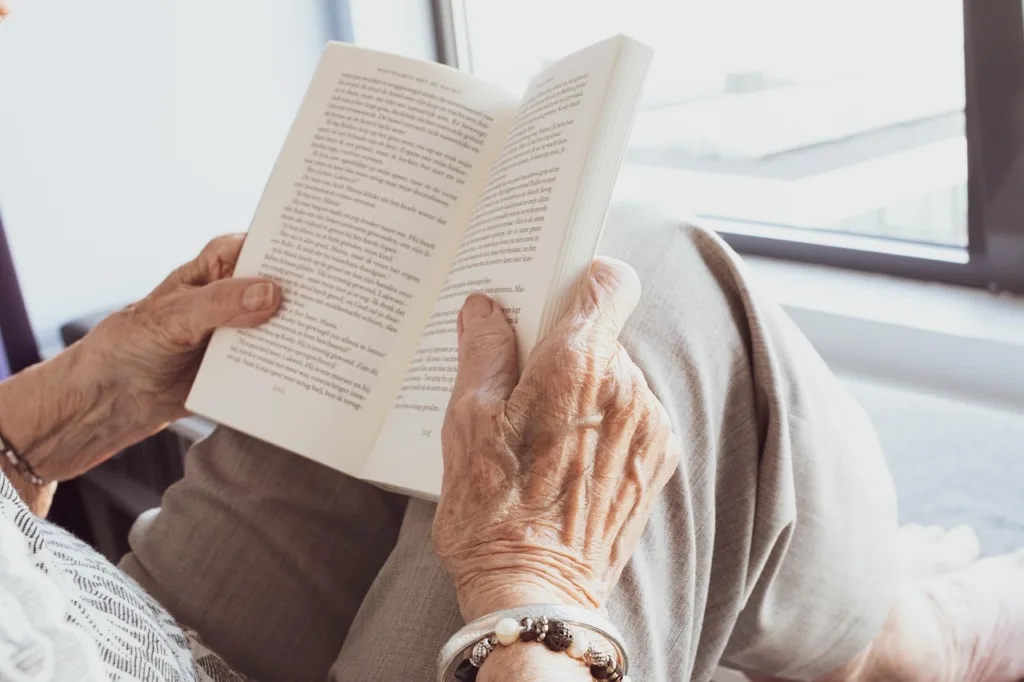
Engage in “Cognitive Play”
Stress often comes from repetitive, worrying thoughts (rumination). Breaking that cycle requires shifting your brain into “play mode.”
- Action: Jigsaw puzzles, Sudoku, or even playing a card game with a friend. These activities require “active focus,” which physically prevents your brain from focusing on stressful “what-if” scenarios.
The Power of Pet Therapy
There’s a reason why therapy dogs are so popular in retirement communities. Petting an animal releases oxytocin, the “bonding hormone,” and lowers cortisol. Research from the National Institutes of Health (NIH)suggests that interacting with animals can decrease blood pressure and reduce feelings of loneliness.
Hydrate Your Brain
Did you know that even mild dehydration can mimic the symptoms of anxiety? When you are dehydrated, your heart has to work harder to pump blood, which your brain interprets as “stress.”
- Tip: Aim for small sips of water throughout the day rather than chugging a large glass all at once.
Therapeutic Journaling
Sometimes, stress stays in the body because it has nowhere to go. Writing it down “externalizes” the problem.
- How to start: Don’t worry about grammar. Just write for 5 minutes about what is bothering you. Then, and this is the important part, write down three things you are grateful for. This “gratitude shift” rewires your neural pathways over time.
Prioritize Social “Micro-Connections”
Isolation is one of the biggest drivers of stress in seniors. A “micro-connection” is as simple as a 2-minute chat with a neighbour or a cashier. A long-term study by Harvard Health emphasizes that social connections are the strongest predictor of health and happiness in our later years.
RECOMMENDED: Ways to Boost Your Metabolism Naturally: Simple Lifestyle Habits That Actually Work
Summary: Your Daily Stress-Relief Checklist
| Activity | Time Required | Primary Benefit |
| 4-7-8 Breathing | 2 Minutes | Instant Heart Rate Drop |
| Cold Water Face Splash | 30 Seconds | Vagus Nerve Activation |
| Chair Yoga | 10 Minutes | Lowers Cortisol & Stiff Joints |
| No News Zone | 2 Hours (Pre-sleep) | Better Melatonin & Deep Sleep |
FAQs: Stress Relief Tips for Seniors
Can stress cause memory loss in seniors?
Yes, but it’s usually temporary. High cortisol can cause “brain fog,” making it hard to retrieve memories. This is often mistaken for early-stage dementia, but once the stress levels drop, the cognitive clarity usually returns.
What is the best time of day for stress relief?
The morning is best. Cortisol levels are naturally highest when we wake up (the “Cortisol Awakening Response”). Using these tips before 10:00 AM can set a calm tone for the rest of the day.
Is it normal to feel more stressed after retirement?
Absolutely. Losing the structure of a career and the daily social interaction of a workplace is a major life transition. It takes time for the nervous system to adjust to a new “baseline.”
Does diet affect senior stress levels?
High sugar and caffeine intake can lead to energy crashes that feel like anxiety. In 2026, the Mediterranean Diet is still the top recommendation for keeping the “gut-brain axis” healthy and stress-resilient.
Conclusion: 10 Easy Stress Relief Tips for Seniors(Old Age) You Can Try Today
You don’t have to do all 10 tips at once. In fact, trying to “fix” your stress perfectly can actually cause more stress! Pick one thing from this list, maybe the breathing or the cold water splash, and try it today.
Ageing is a journey of adaptation. By giving your body these small moments of peace, you aren’t just relieving stress; you’re protecting your heart, brain, and happiness for years to come.
References & Further Reading
- International Journal of Yoga: Impact of Yoga on Stress in Seniors
- Harvard Health Publishing: The health benefits of strong relationships
- National Institutes of Health (NIH): The Power of Pets in Senior Wellness
- Mayo Clinic: Stress Management and Relaxation Techniques for Older Adults









Leave a Reply