

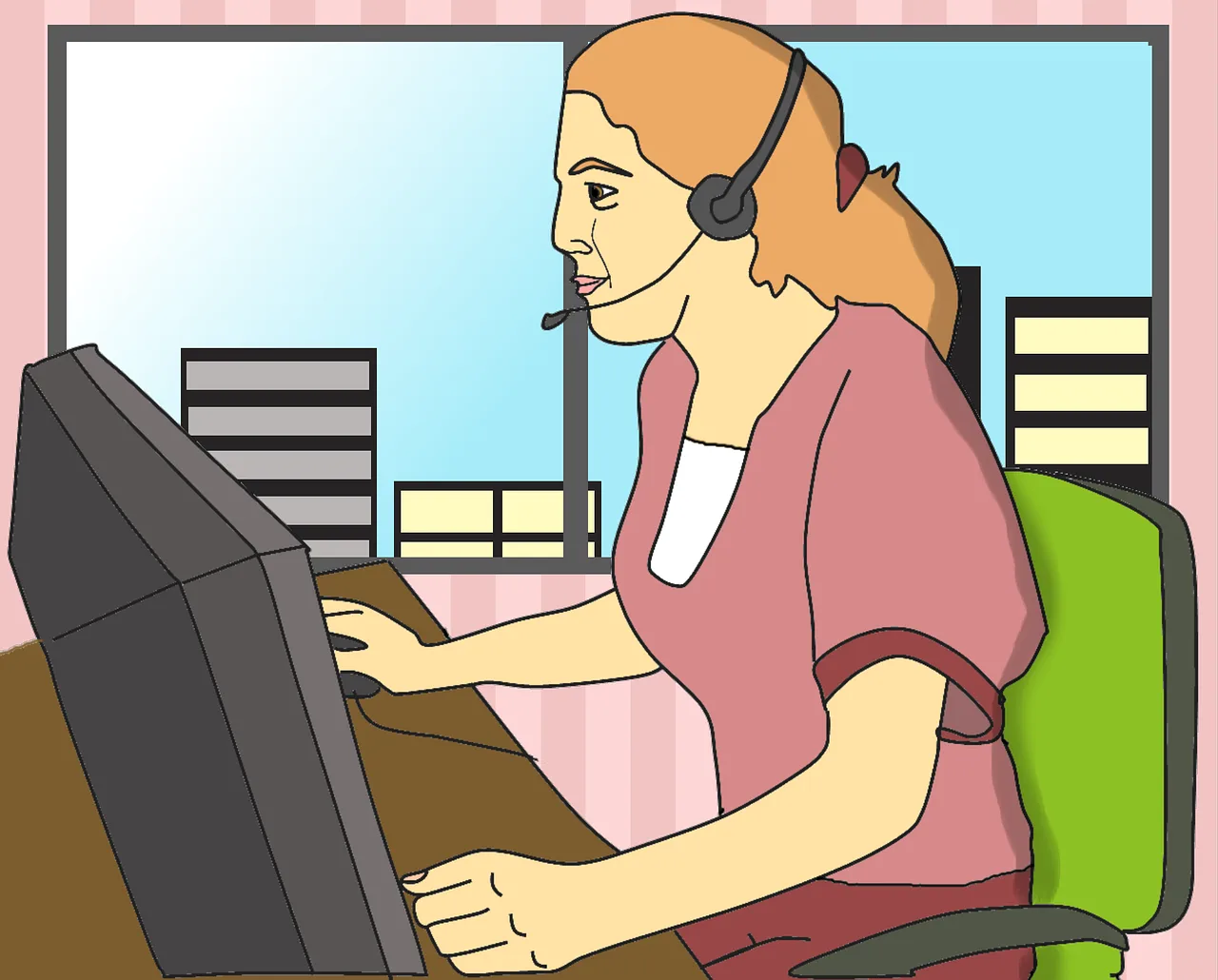
According to PubMed, sitting for too long is associated with increased waist circumference and a higher risk of cardiovascular disease. When was the last time you stood up from your desk and stretched your body? Have you simply grown used to the stiffness, aches, and poor posture?
This article exposes the health effects or downsides of being a desk worker and how you can counter the damage, and by the end, you’ll learn how to release built-up tension and improve your posture as a desk worker.
Who exactly is a Desk Worker?
Desk workers are people who perform their day-to-day tasks(especially employed and remote workers) sitting at a desk in an office setting or in their homes or workspaces(remote workers).
Desk workers spend the majority of their time carrying out a task in a seated or sedentary position. Their duties cut across and are not limited to coding, data analysis, filing, answering phone calls(call centre agents/customer support), and writing.
What exactly are the health implications of being a desk worker?
What researches say about Desk Worker
According to research, desk jobs bring about a sedentary lifestyle, which in turn is a major health concern because of its significant health risk factor. Below are some of the research on health risks Desk Worker or remote workers are exposed to.
1) According to NIH/PMC: Individuals who predominantly sit at work have a 16% higher risk of mortality from all causes and 34% higher risk of CVD(Cardiovascular Disease) death compared with those who predominantly do not sit.
2) According to Mayo Clinic, the detrimental effects of excessive sitting (more than 8hours per day) may be eliminated by engaging in 60 – 75minutes of moderate-to-vigorous intensity physical activity(MVPA) per day.
3) According to the University of Warwick: Desk workers have a larger waist circumference and an increased ten-year risk of cardiovascular disease. The risk was found to increase by 0.2% for every additional hour of sitting beyond five hours per day.

Major Health Problems Desk Worker/Remote Worker face
- Cardiovascular Diseases: Researchers link sitting for too long every day to various heart diseases and metabolic disorders.
- Musculoskeletal and Ergonomic problems: Desk jobs mostly lead to bad posture and other musculoskeletal problems. Pain in the lower back, Neck and Shoulders.
- Mental and Cognitive problems: Sitting for too long and high computer use are connected to negative psychological problems e.g Increase depression risk, DAD(Depressive and Anxiety Disorder), etc.
Health Effects or Downsides of being a desk worker
The health problems of desk workers highlighted above are also some of the health effects of a sedentary lifestyle. Below are some common health effects.
- Type 2 Diabetes & Metabolic Syndrome: Sitting for long periods is directly proportional to a reduction in the body’s ability to regulate sugar and break down fat.
- Obesity: Slow metabolism contributes to being overweight and obese
- Cancer: Colon, Endometrial, and ovarian cancers are common in a sedentary lifestyle.
- Osteoporosis. Check how to have strong bone health here
- Poor blood circulation
- Aches and Pains, especially lower back, shoulder and neck
- Eye strain
- Low productivity: Some or all of the above effects will surely bring down your productivity at work
RECOMMENDED: Signs of Heart Not Working: What You Should Know
What Desk Workers Can Do to Fix the Damage Caused by a Sedentary Lifestyle
Modern desk jobs often require long hours of sitting, staring at screens, and repeating the same movements every day. Over time, this sedentary lifestyle can lead to the problems highlighted above.
The good news is that the bad effects of a sedentary lifestyle are not permanent, unless you decide to make them so. With conscious daily habits, desk workers can reduce and even reverse much of the damage caused by prolonged sitting. Below are things you can do.
- Build exercises into your morning routine
- Move More and Sit Less, and stretch your body
- Set up a better ergonomic workspace
- Take care of your time on screen
- A medical checkup is a must
1) Build Exercises Into Your Morning Routine

From personal experience, start your day the right way, and there is a higher chance you will have a productive day.
Starting your day with movement prepares your body for hours of sitting. Morning exercises do not need to be intense or time-consuming. Simple activities such as stretching, yoga, light strength training, or a short walk can improve blood circulation, loosen stiff muscles, and increase energy levels. Simply focusing the exercise on areas that become tight during desk work, such as your hips, lower back, shoulders, and neck, can significantly reduce discomfort later in the day.
As a remote desk worker, you can try doing 30-45minutes of active walking each morning before you are set to sit at your desk to work. To achieve this, it is paramount that you wake up early so you can have enough time.
2) Move More, Sit Less, and Stretch Your Body
Remaining seated for long periods slows down blood circulation and places stress on the spinal cord. As a desk/remote worker, aim to stand up, walk, or stretch at least once every 30 to 60 minutes. Simple movements such as shoulder rolls, neck stretches, standing hamstring stretches, or a quick walk around the office can prevent stiffness and improve mobility. Even small movements help keep muscles engaged and reduce the risk of chronic pain associated with prolonged sitting.
3) Set Up a Better Ergonomic Workspace
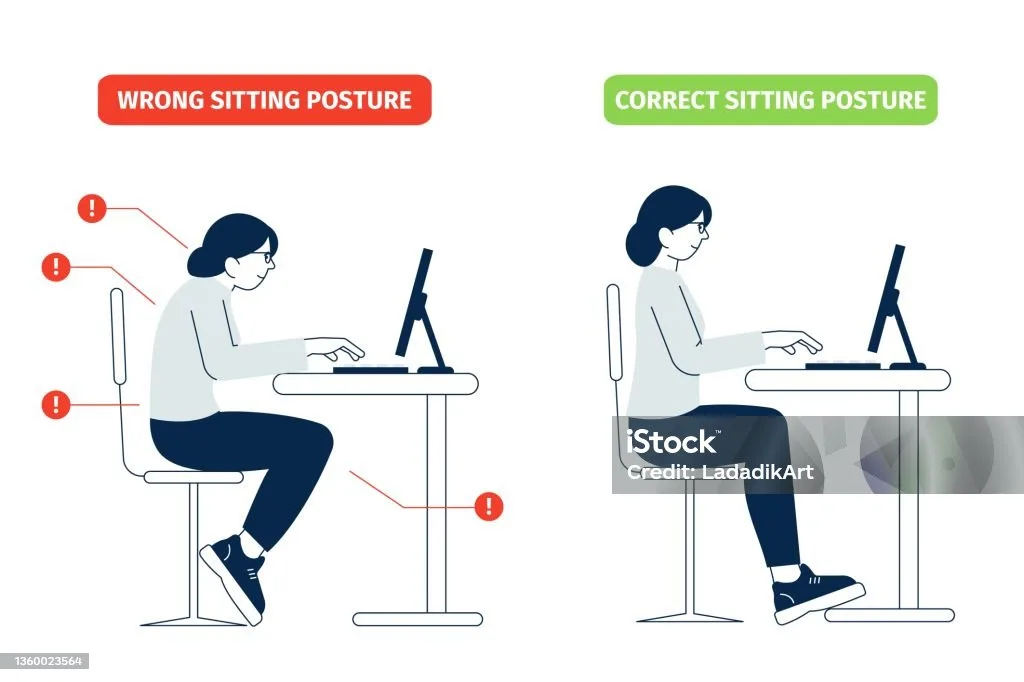
Poor workstation setup is a major contributor to discomfort and injury. An ergonomic desk arrangement supports natural body alignment. Your chair should support your lower back, your feet should rest flat on the floor, and your screen should be at eye level to prevent neck strain. Proper ergonomics reduces unnecessary stress on joints and muscles, allowing you to work more comfortably and efficiently.
4) Take Care of Your Time on Screen
Anti-blue light or photochromic glasses should be used by all desk/remote workers who use the screen. Extended screen time can cause eye strain, headaches, and mental fatigue.
Follow the 20-20-20 rule: Look away from the screen every 20 minutes at something 20 feet away for 20 seconds. It can reduce eye discomfort. Also, adjusting screen brightness helps protect your vision.
5) Medical Checkup Is a Must
Don’t neglect your health and body. Regular medical checkups help identify early signs of health issues related to a sedentary lifestyle. Early detection allows for timely intervention, preventing minor issues from becoming long-term problems. Desk workers should prioritise their health just as much as their productivity. Health is wealth.
Wrapping up the Health Effects or Downsides of Being a Desk Worker
While it looks cool sitting at a desk or in front of computers, there are some health problems associated with it. Sitting for long causes a sedentary lifestyle, and that results in various other health problems such as Cardiovascular diseases, bad posture, Type 2 diabetes and so many others. Something as simple as 30-45minutes exercise every day, intermittently stretching the body, can reduce the downsides.













Leave a Reply