

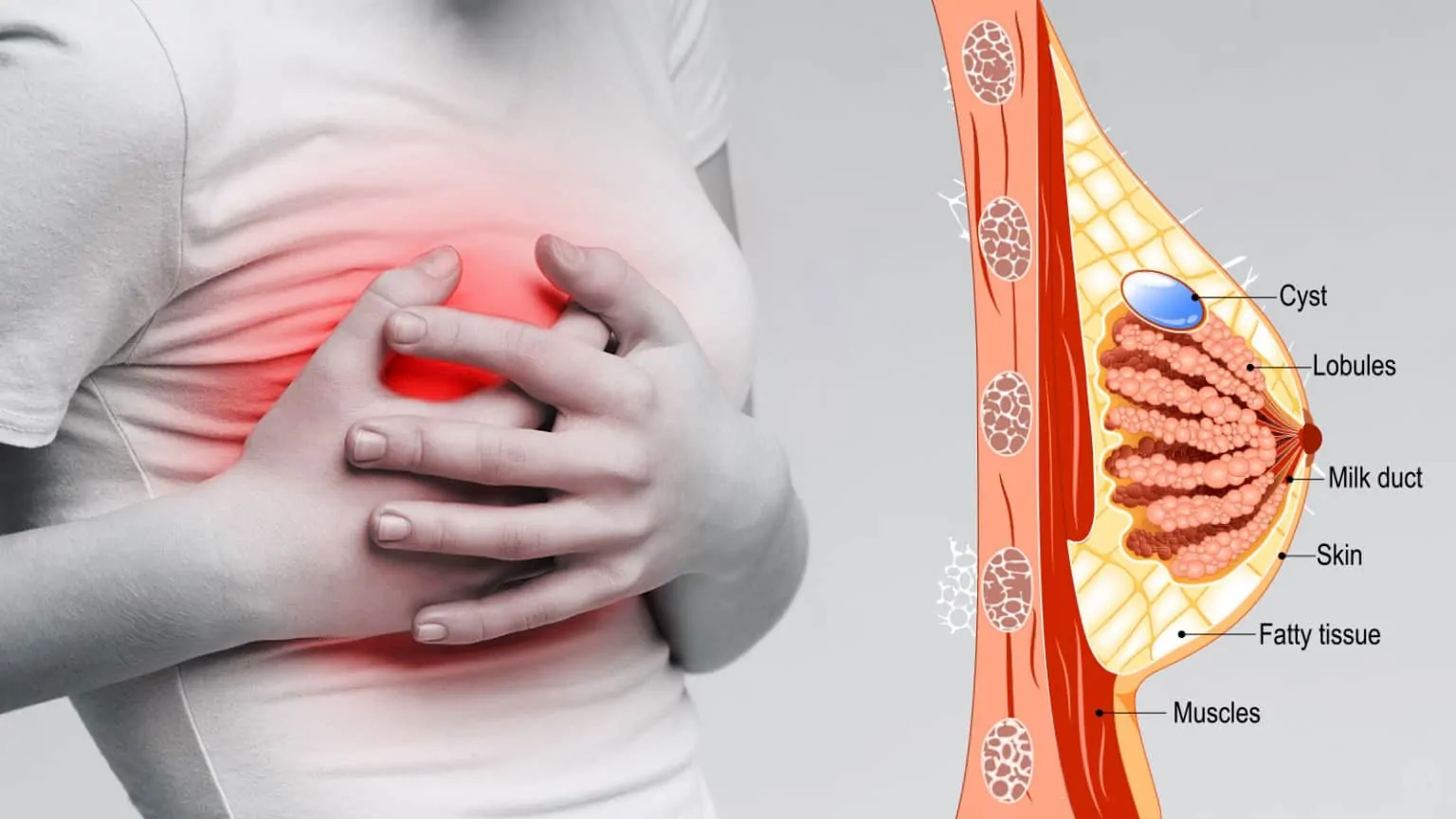
Do you have a pain in your breast? That’s called Mastalgia. Breast pain (mastalgia) is not uncommon, and often harmless, i.e benign. This article will address 10 possible causes of breast pain, know when the breast pain is concerning, and when to see a doctor.
Breast pain is a frequent concern for women at different life stages. Although it can be uncomfortable or even alarming, breast pain is usually linked to benign and treatable causes such as hormonal changes, stress, or minor injuries. Understanding why breast pain happens, what type is concerning, and when to seek medical advice can help you respond confidently and appropriately.
10 Possible Reasons Behind Breast Pain
1. Hormonal Changes
Fluctuations in oestrogen and progesterone (especially before menstruation) are the most common cause of breast pain. This cyclical pain often affects both breasts and may feel heavy, swollen, or tender.
2. Pregnancy
Early pregnancy triggers rapid hormonal changes and increased blood flow to the breasts. Tenderness or aching can appear within weeks of conception and is often one of the earliest signs of pregnancy.
3. Menopause
During perimenopause and menopause, changing hormone levels can make breast tissue more sensitive. Some women notice intermittent pain or burning sensations as oestrogen levels decline.
4. Breastfeeding
Breast pain while nursing may result from engorgement, blocked milk ducts, or mastitis. An improper latch or sudden changes in feeding frequency can worsen discomfort.
5. Breast Cysts
Breast cysts are fluid-filled sacs that may feel tender or painful, particularly before a menstrual period. They are typically benign but should be evaluated if persistent or enlarging.
6. Fibroadenomas
Fibroadenomas are non-cancerous breast lumps that usually feel firm and movable. Although often painless, they may cause discomfort if they grow or press on nearby tissue.
7. Breast Trauma or Strain
A fall, impact, or even vigorous exercise without proper support can cause bruising, inflammation, or lingering soreness in the breast area.
8. Costochondritis
Costochondritis is inflammation of the cartilage connecting the ribs to the breastbone. The resulting chest pain can mimic breast pain and often worsens with movement or pressure.
READ ALSO: Best Natural Remedies for Mastitis: Prevention Tips
9. Medications
Hormonal therapies, antidepressants, fertility treatments, and some heart medications may list breast pain as a side effect.
10. Breast Cancer
Breast pain is rarely the first sign of Breast cancer, but it can occur in some cases, especially if persistent, localised, and associated with other symptoms such as a lump or skin changes.
When to Be Concerned About Breast Pain
Before something turns into a big problem, it’s usually ignored. What kind of breast pain is alarming? You should seek medical advice if your breast pain:
- Lasts longer than one full menstrual cycle
- Is severe, persistent, or worsening
- Is confined to one specific area
- Occurs with redness, warmth, fever, or nipple discharge
Is It Normal for Only One Breast to Hurt?
Yes, one-sided breast pain can be normal, especially if related to muscle strain, cysts, or hormonal sensitivity. However, persistent pain in one breast should be checked.
Why Does My Breast Hurt, but I Don’t Feel a Lump?
Pain without a lump is common and often linked to hormonal changes, stress, inflammation, or nerve-related pain. Not all breast conditions cause palpable lumps.
How Long Is Too Long to Have Breast Pain?
Pain lasting more than 4–6 weeks, especially if it does not vary with your cycle, should be evaluated by your healthcare provider.
What Should I Do If I Feel Pain in My Breast?
- Wear a well-fitted, supportive bra
- Reduce caffeine and high-fat foods if pain is cyclical
- Apply warm or cold compresses
- Use over-the-counter pain relief if advised
- Track your symptoms across menstrual cycles
- Consult a doctor if pain persists or worsens
Is Stabbing Pain in the Breast Normal?
Sharp or stabbing pain can occur due to nerve irritation, stress, or muscle strain. Occasional episodes are usually harmless, but recurrent sharp pain warrants evaluation.
Does Anxiety Cause Pain in the Breast?
Yes. Anxiety can increase muscle tension and alter hormone levels, contributing to breast discomfort.
What Does Stress-Related Breast Pain Feel Like?
Stress-related pain is often described as:
- Aching or tightness
- Burning sensations
- Pain extending toward the armpit or shoulder
Why Does the Top of My Breast Hurt Near the Armpit?
This area contains lymph nodes and muscle tissue. Pain here is often linked to stress, hormonal changes, or upper body strain rather than breast disease.
RECOMMENDED: How Much Sperm is Needed to Get Pregnant: All You Need to Know
Can Overthinking Cause Breast Pain?
Chronic stress and heightened body awareness can amplify pain perception, making mild discomfort feel more intense.
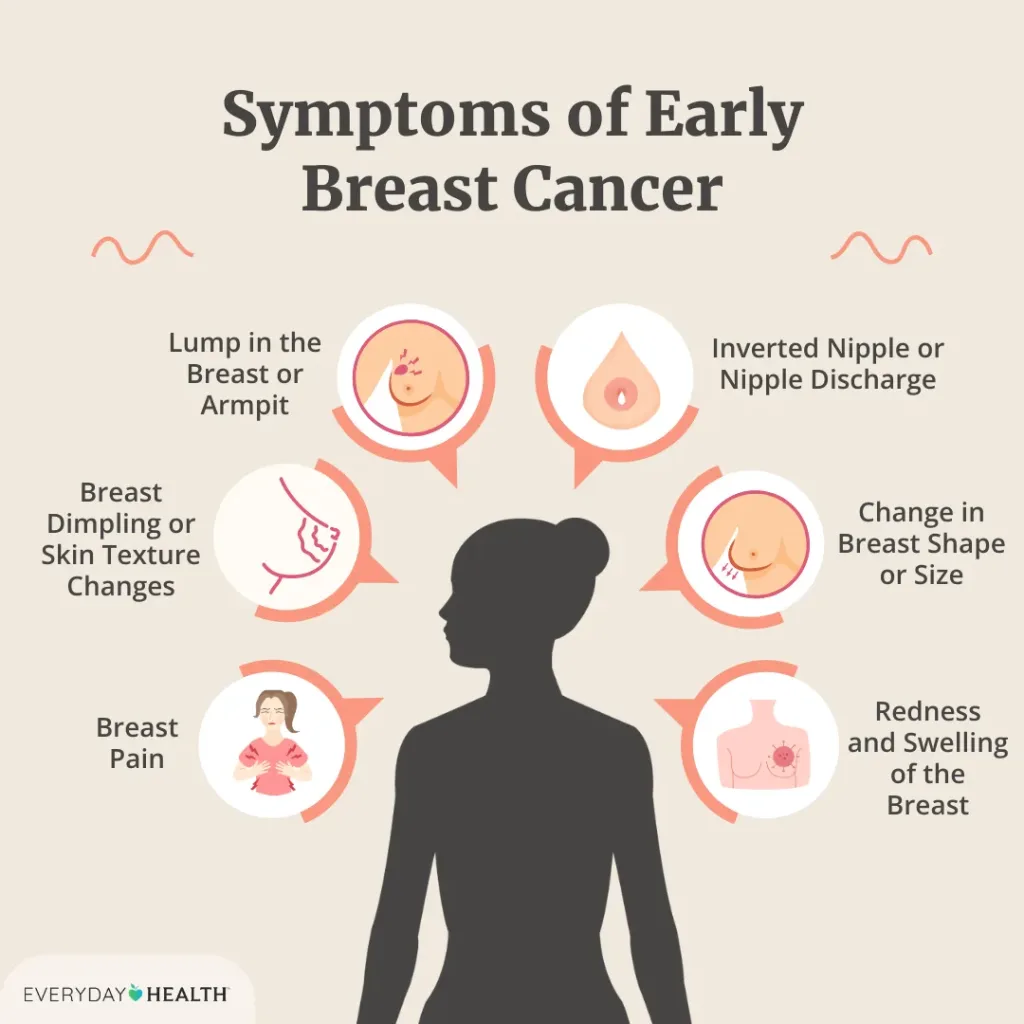
Breast Cancer: Warning Signs You Should Know
Mastalgia and breast cancer are not the same thing, and these are the five warning signs of Breast Cancer.
- A new lump or thickening
- Changes in breast size or shape
- Nipple discharge (especially bloody)
- Skin dimpling or redness
- Nipple inversion or persistent pain
What Does Cancerous Breast Pain Feel Like?
Cancer-related pain is uncommon but may feel localised, persistent, and unrelated to the menstrual cycle.
What Does Stage 1 Breast Cancer Feel Like?
Early-stage breast cancer is often painless. Many cases are detected through screening before symptoms appear.
What Is the Three-Finger Test for Breast Cancer?
This refers to using the pads of three fingers to systematically feel the breast tissue in circular motions during breast self-examination. Watch Breast Self-Examination here.
Seven Unusual Breast Changes to Watch For
- Skin dimpling or puckering
- Persistent redness or rash
- Sudden asymmetry
- Nipple crusting or discharge
- Swelling without pain
- Thickened skin texture
- Enlarged lymph nodes
Wrapping up the Causes of Breast pain and what to do
Breast pain is common and usually not cancerous, often caused by hormones, stress, or lifestyle factors. However, persistent, unexplained, or one-sided pain should never be ignored. Understanding your body, tracking symptoms, and seeking timely medical advice can provide reassurance and ensure early detection of any serious conditions.
References
- World Health Organisation (WHO): Breast health guidelines
- National Cancer Institute (NCI): Breast pain and breast cancer symptoms
- Mayo Clinic: Mastalgia and breast conditions







Leave a Reply