

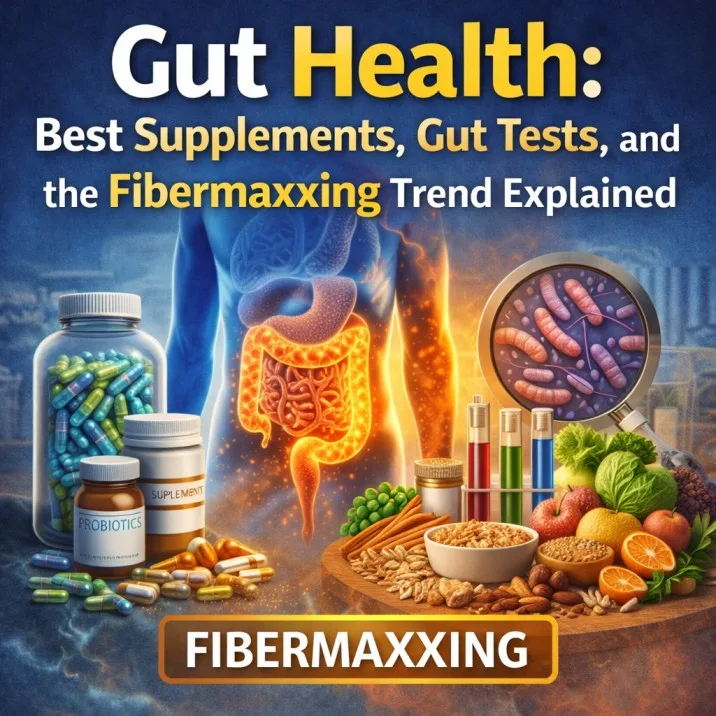
For years, gut health felt like a black box; you followed generic advice, tried random supplements, and hoped for results. But in 2026, that era is officially over. Science now confirms that the gut(home to trillions of microbes) acts like a second brain, shaping not just digestion, but your mood, skin health, metabolism, and even how your body responds to stress and weight loss.
Gut Health 2026 cuts through the confusion. This guide explains what’s actually changed, breaks down viral trends (including movements like Emma Gut Health), and gives you a clear, evidence-based roadmap to improving your gut health naturally, without guesswork, extremes, or outdated advice.
What is Gut Health?
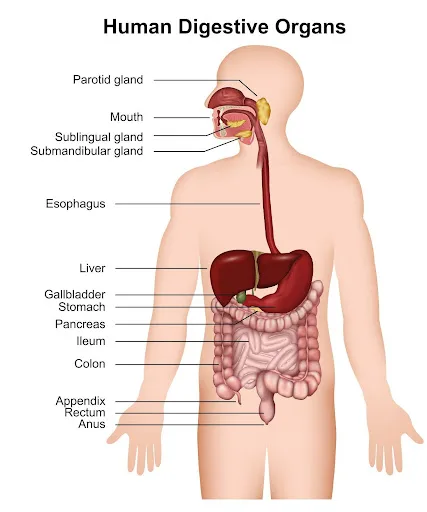
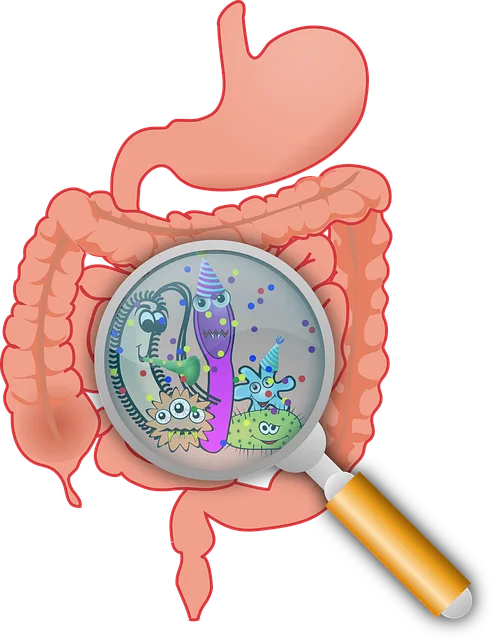
Gut health refers to the balance of microorganisms living in your digestive tract. A healthy gut has a high level of microbial diversity. Think of it like a rainforest: the more species of “good” bacteria you have, the more resilient the ecosystem is against “bad” invaders.
In 2026, the buzzword is “Intestinal Integrity.” It’s not just about the bacteria; it’s about the strength of your gut lining. When this lining is weak (often called “leaky gut”), toxins can enter your bloodstream, leading to chronic inflammation, brain fog, and fatigue.
Gut Health Supplements: What Works?
The market for gut health supplements is massive, but not all pills are created equal. To shop smart, you need to know the “Biotics” family:
- Probiotics: Live “good” bacteria (like Lactobacillus) that you add to your system.
- Prebiotics: The “food” (mostly fiber) that your existing good bacteria eat to survive.
- Postbiotics: The newest frontier. These are the beneficial byproducts, like short-chain fatty acids (SCFAs), that bacteria produce. You can now take these directly to calm inflammation quickly.
Read more about postbiotics vs prebiotics vs Probiotics here and how they benefit your gut health.
Spotlight: What is “Emma Gut Health”?
If you’ve been on social media recently, you’ve likely seen ads for Emma Gut Health.
Emma is a popular digestive supplement designed to target “leaky gut” and slow transit time (constipation). Unlike a standard probiotic, it utilises a blend of natural ingredients like Berberine, Quercetin, and Resveratrol.
- Emma Gut Health aims to clear out “bad” bacteria and repair the gut lining, rather than simply introducing more “good” bacteria into an already compromised environment.
While many users report relief from bloating, it is essential to remember that supplements work best when paired with the dietary foundations we discuss below.
The Power of Fermented Food and Gut Bacteria Health
While supplements are convenient, fermented food and gut bacteria health go hand-in-hand in a way that pills can’t replicate. Fermented foods are “living” foods. They provide a complex matrix of probiotics and the nutrients they need to survive the trip to your colon.
Top Gut-Friendly Superfoods in 2026:
- Kefir: Often more potent than yoghurt, containing up to 30 different strains of bacteria.
- Kimchi & Sauerkraut: These provide “Lactic Acid Bacteria”, which strengthen the immune system.
- Kombucha: A fermented tea that provides a hit of organic acids to aid digestion.
- Miso: A fermented soybean paste rich in minerals and gut-healing enzymes.
Should You Get a Gut Health Test?
The “Quantified Self” movement has made gut health tests incredibly popular. Companies like Zoe or Viome allow you to send a stool sample to a lab to see exactly which bacteria are living inside you.
Is a gut health test worth it? In 2026, these tests are excellent for personalization. They can tell you, for example, that your body processes fats better than carbs based on your microbes. However, a test is only a “snapshot” in time. Your microbiome changes based on what you ate yesterday, your stress levels, and even your sleep. Use these tests as a guide for your diet, not as a final medical diagnosis.
How to Improve Gut Health: The 2026 Strategy
If you want to transform your digestion, follow this 3-step hierarchy:
Step 1: “Fibermaxxing” (The Prebiotic Foundation)
In 2026, the “Fibermaxxing” trend has taken over. This simply means aiming for 30 grams of fibre per day from at least 30 different plants per week. This diversity ensures you are feeding many different “tribes” of bacteria.
- Try: Adding chia seeds to your morning oats, snacking on pistachios, and swapping white rice for quinoa or lentils.
Step 2: Strategic Gut Health Probiotics
Don’t just buy the cheapest bottle. Look for Targeted Probiotics.
- For bloating: Look for Bifidobacterium infantis.
- For antibiotic recovery: Look for Saccharomyces boulardii (a beneficial yeast).
- For mood/anxiety: Look for “Psychobiotics” like Lactobacillus helveticus.
Step 3: Lifestyle “Non-Negotiables”
- The 12-Hour Fast: Give your gut a “cleaning cycle” (the Migrating Motor Complex) by not eating for 12 hours between dinner and breakfast.
- Hydration: Water is the lubricant of the gut. Without it, fiber can actually make you more constipated.
- Stress Management: Your gut and brain are connected by the Vagus Nerve. If you are stressed, your gut effectively “shuts down” digestion.
Check also how Ultra-Processed Foods can cause inflammation risks in your gut.
Summary: Your Gut Health Checklist
| Goal | Action | What to watch |
| Beat Bloating | Increase fiber slowly; try a digestive enzyme. | Emma Gut Health, Postbiotics |
| Boost Immunity | Eat 1-2 servings of fermented foods daily. | Fermented food and gut bacteria health |
| Personalize | Take an at-home microbiome kit once a year. | Gut health test |
| Maintain Balance | Rotate your probiotic strains every 3 months. | Gut health probiotics |
Frequently Asked Questions About Gut Health
The Red Flags: How do I know if my gut is unhealthy?
Your body is surprisingly loud when your microbiome is out of balance. The most common signs of an unhealthy gut include persistent bloating, excessive gas, and “brain fog.” However, you might also notice skin issues like acne or eczema, sugar cravings that feel uncontrollable, and even mood swings. Because 95% of your serotonin is produced in your gut, an “unhappy” stomach often leads to an “unhappy” mind.
What are the “3 F’s” for gut health?
In the world of digestion, the “3 F’s” stand for Fiber, Fluids, and Fermentation.
- Fiber: The fuel for your “good” bacteria
- Fluids: Water keeps things moving, so fiber doesn’t cause a “traffic jam.”
- Fermentation: Foods like kefir or kimchi introduce new, helpful microbes to the ecosystem.
How do I check my gut health at home?
You don’t always need a lab to check your gut health. Pay attention to your transit time (how long it takes food to pass through you) and your energy levels after eating. However, for a deep dive, a gut health test (stool analysis) is the most accurate way to map your specific bacterial “fingerprint.”
What is the 7-day gut reset or “Gut Reset Diet”?
A 7-day gut reset isn’t a “starvation” detox; it’s a week of removing inflammatory triggers. On a gut cleanse, you typically swap processed sugars, alcohol, and refined flours for whole, “ancestral” foods. The goal of a gut reset diet is to lower inflammation quickly so your intestinal lining can begin to repair itself.
What should I eat and drink on a gut cleanse?
If you’re wondering what to eat on a 7-day cleanse, focus on “The Big Three”:
- The Plate: Bone broth (rich in collagen for the gut lining), steamed bitter greens, and lean proteins.
- The Drink: For the best gut health drinks, skip the sugary juices and go for ginger tea, diluted apple cider vinegar, or water infused with electrolytes. These help flush out toxins without spiking your blood sugar.
How can I improve or fix an unhealthy gut quickly?
While “quickly” is relative, the fastest way to reset your gut is through a combination of intermittent fasting and the removal of “microbiome disruptors” (artificial sweeteners and emulsifiers). Fasting for 12–16 hours gives your digestive system a break, allowing the “Migrating Motor Complex” to perform a deep clean of your intestines.
What heals the gut the fastest?
The “fast track” to healing usually involves L-Glutamine and Collagen. These are like “spackle” for your gut wall. When combined with a high-quality gut health probiotic, you are essentially repairing the “house” while also moving in better “tenants.”
What foods worsen gut health?
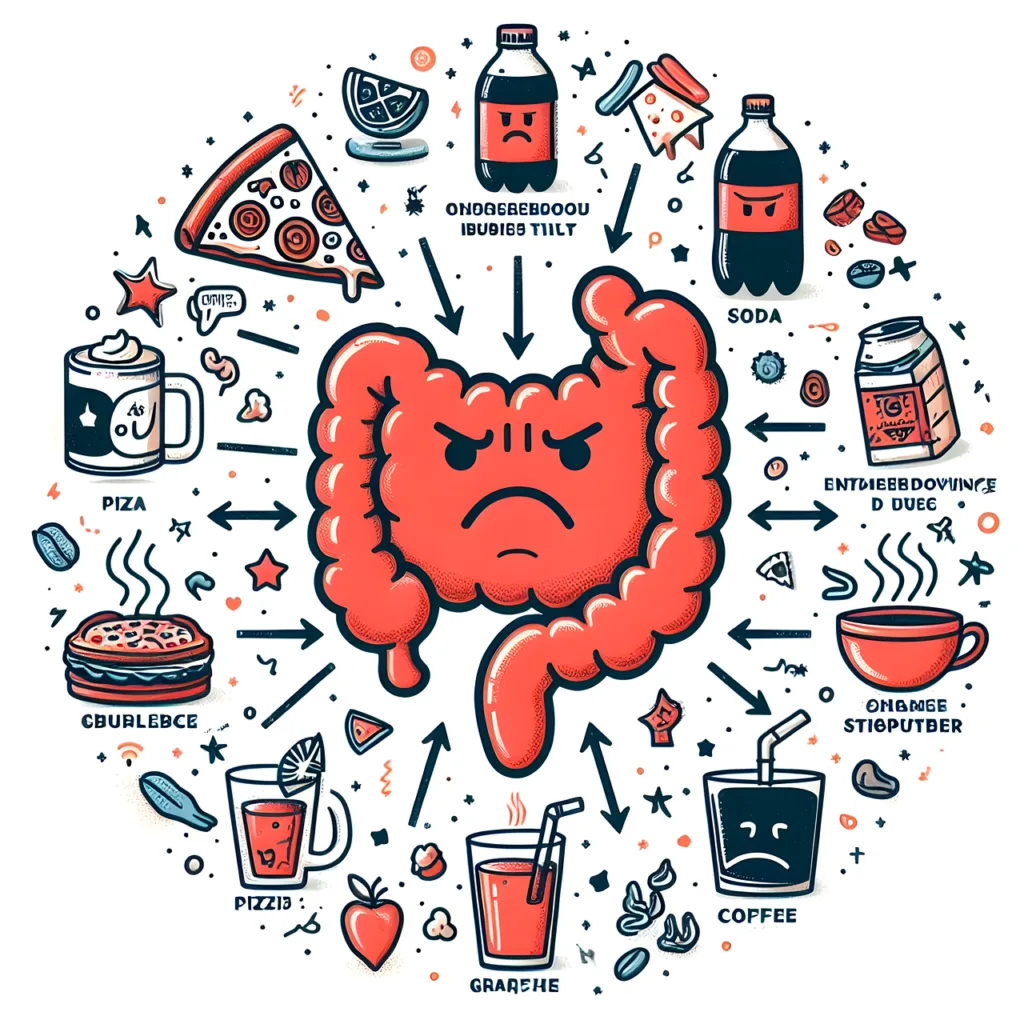
If you want to fix an unhealthy gut, you must limit the “Microbiome Villains”:
- Ultra-processed foods: These often contain emulsifiers that eat away at your gut’s protective mucus layer.
- Artificial sweeteners: Research shows they can actually turn “good” bacteria into “bad” actors.
- Added sugars: These feed the “bad” bacteria and yeast (Candida), leading to more bloating.
How do you detox and reset your gut?
Forget the “magic teas.” To detox and reset your gut, you simply need to support your body’s natural detox organs, the liver and the colon. You do this by drinking plenty of water, eating cruciferous vegetables (like broccoli), and ensuring you have regular bowel movements.
What comes out when you do a gut cleanse?
There is a lot of “internet myth” here. You aren’t “shedding” pounds of old waste. What you are actually clearing out is excess water weight, gas, and metabolic byproducts. You’ll know the “cleanse” is working when your stools become regular, well-formed, and easy to pass.
How do I fast to detox the gut?
To fast to detox the gut, start with a “12:12” window (12 hours eating, 12 hours fasting). This is gentle and doesn’t stress your hormones. This 12-hour break is the minimum time required for your gut to trigger its “self-cleaning” mode.
References
- Journal of Clinical Gastroenterology (2025): “The role of synbiotics and postbiotics in modern gut therapy.”
- The Lancet Healthy Longevity: “Dietary diversity and its impact on the ageing microbiome.”
- World Journal of Microbiology (2026): “Clinical efficacy of herbal-based digestive supplements like Emma.”
- Cleveland Clinic: “The Brain-Gut Connection: Why your mood starts in your stomach.”
- American Psychological Association (APA): That gut feeling
- Mayo Clinic: Dietary fiber: Essential for a healthy diet
- Cone Health: From Fuel to Stool: 5 Tips to Speed Up Digestion | Cone Health











Leave a Reply