

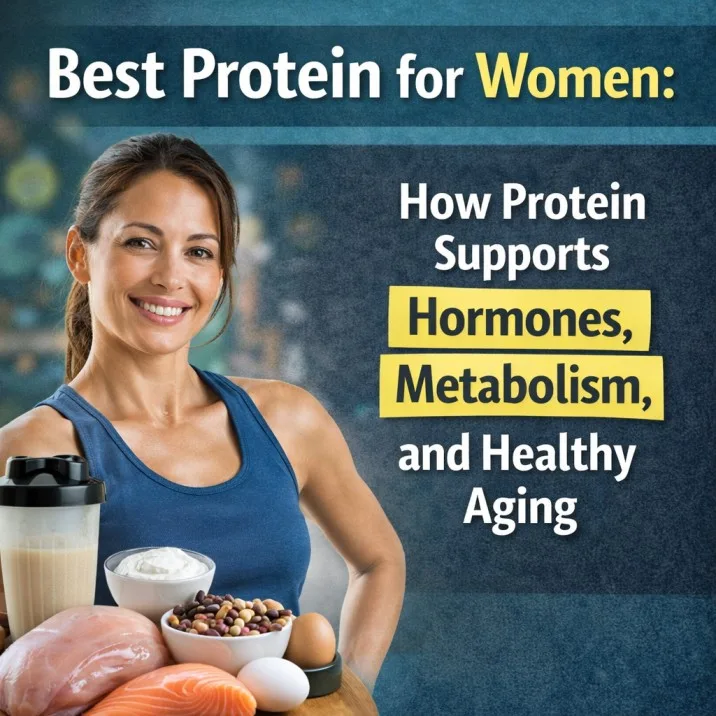
In this guide, we break down the science behind the best protein for women, how much protein you really need, and practical ways to meet your daily protein goals without living in the gym or obsessing over calories.
For years, women were encouraged to eat less, rely on salads, and focus on “toning” workouts. But modern nutrition science tells a very different story. Adequate protein intake is one of the most powerful and often overlooked keys to hormonal balance, metabolic health, muscle maintenance, and long-term longevity in women.
From supporting energy levels during demanding careers to meeting increased nutritional needs during pregnancy and protecting muscle and bone health through perimenopause and menopause, protein plays a critical role at every stage of a woman’s life. Yet many women still consume far less protein than their bodies actually need.
Why Protein is a “Hormone Food” for Women
We often think of protein just for muscle, but it is actually essential for your endocrine system. Many of your most important hormones including insulin, growth hormone, and even the precursors to estrogen, are made from amino acids, which are the building blocks of protein.
- Blood Sugar Stability: Protein slows down digestion, preventing the “blood sugar roller coaster” that leads to PCOS flare-ups, mood swings, and those 3:00 PM energy crashes.
- Satiety and Weight: It’s the most satiating macronutrient. If you’re searching for the best protein for women to lose weight, look no further than your dinner plate. Higher protein intake lowers ghrelin (your “hunger hormone”) and tells your brain you are actually full.
How Much Protein Do Women You Need?
There is a massive gap between “surviving” and “thriving.” While the standard RDA suggests a daily protein intake for women of about 46 grams, modern science for 2026 suggests this is the bare minimum to prevent deficiency, not to optimize health.
The 2026 Activity Matrix:
- Sedentary to Lightly Active: Aim for 0.8 to 1.2 grams per kilogram of body weight.
- The Regular Gym Goer: To actually see muscle definition and recover from workouts, you need closer to 1.4 to 1.7 grams per kilogram.
- Weight Loss Goals: To lose fat while keeping your muscle, research suggests a higher target of 1.6 to 2.2 grams per kilogram.
If you’re wondering how many grams of protein you need per meal, aim for 25–30 grams. This is the “sweet spot” to trigger Muscle Protein Synthesis (MPS), which keeps your metabolism firing.
Best Protein for Pregnant Women
During pregnancy, you aren’t just growing a baby; you are growing an entirely new organ (the placenta) and expanding your own blood volume. This is why protein powder for pregnancy has become a staple for many.
Benefits during this stage include:
- Fetal Development: Essential for the baby’s brain and tissue growth.
- Anemia Prevention: Protein supports the production of hemoglobin.
- Blood Sugar Regulation: Crucial for preventing gestational diabetes.
When choosing a protein powder for pregnant women, always look for “heavy metal tested” labels and avoid artificial sweeteners or excessive “herbal blends” that haven’t been studied for fetal safety.
READ ALSO: Best Product for Vaginal Odor: What Do I Look Out For?
Best Protein Powder for Women
If you’ve walked down a supplement aisle, you’ve seen the best protein powder for women often comes in a pink tub and costs 20% more. Here’s the truth: protein is protein.
- Whey Protein: The “gold standard” for muscle recovery because it’s rapidly absorbed and high in leucine.
- Plant-Based (Pea/Rice/Hemp): Excellent for those with dairy sensitivities. Look for a “blend” to ensure you get a complete amino acid profile.
- Collagen: Great for hair, skin, and nails, but it is not a complete protein for muscle building.
The real difference in a protein supplement for women usually isn’t the protein itself, but the “extras.” Many formulas now include Iron, Folate, and Vitamin B12—nutrients that women are statistically more likely to be deficient in.
The 3-Day “Protein Focus” Meal Plan for Women
Day 1: The Energy Booster
- Breakfast: Greek Yogurt Power Bowl. 1 cup of 2% Greek yogurt (approx. 20g protein) topped with 1 scoop of collagen peptides (9g), a handful of berries, and 1 tbsp of chia seeds.
- Protein Total: ~32g
- Lunch: Lemon-Herb Chicken Quinoa Salad. 4 oz grilled chicken breast over 1/2 cup cooked quinoa with cucumber, tomatoes, and a tahini dressing.
- Protein Total: ~35g
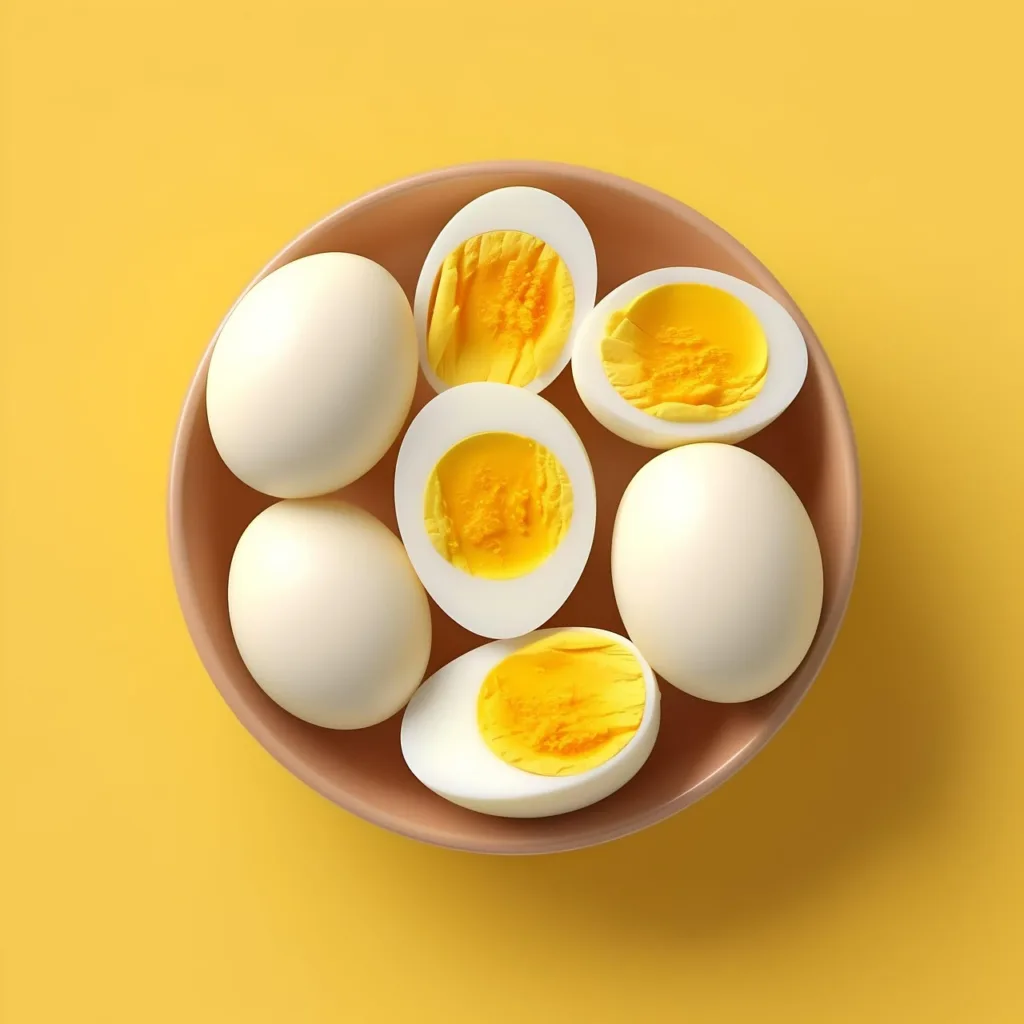
- Snack: 2 hard-boiled eggs with a sprinkle of sea salt.
- Protein Total: ~12g
- Dinner: Pan-Seared Salmon with Asparagus. 5 oz salmon fillet (approx. 25g protein) served with roasted asparagus and a small sweet potato.
- Protein Total: ~30g
Day 2: Plant-Forward & Fuelled
- Breakfast: Savory Scramble. 2 whole eggs plus 1/2 cup egg whites scrambled with spinach and 1/4 cup feta cheese. Served on one slice of sprouted grain toast.
- Protein Total: ~28g
- Lunch: Tuna & Chickpea Lettuce Wraps. 1 can of tuna mixed with Greek yogurt (instead of mayo) and 1/4 cup chickpeas, served in large romaine lettuce leaves.
- Protein Total: ~33g
- Snack: A high-protein beef stick (like Chomps) or a handful of roasted edamame.
- Protein Total: ~10-14g
- Dinner: Ground Turkey Taco Bowls. 4 oz lean ground turkey seasoned with cumin and chili, served over cauliflower rice with black beans, avocado, and salsa.
- Protein Total: ~30g
Day 3: The Quick & Convenient
- Breakfast: High-Protein Overnight Oats. 1/2 cup rolled oats mixed with 1 scoop of vanilla whey or pea protein powder, 1/2 cup almond milk, and a dash of cinnamon. Top with sliced almonds in the morning.
- Protein Total: ~30g
- Lunch: Turkey & Cheese “Bento” Box. 5 slices of high-quality turkey deli meat, 1 oz cheddar cheese cubes, apple slices, and 1/4 cup raw almonds.
- Protein Total: ~28g
- Snack: 1/2 cup low-fat cottage cheese with sliced peaches.
- Protein Total: ~14g
- Dinner: Shrimp Stir-Fry. 5 oz shrimp (high protein, low calorie!) sautéed with broccoli, snap peas, and bell peppers in a ginger-soy sauce over a small portion of brown rice.
- Protein Total: ~32g
Women Daily Protein Checklist
| Life Stage | Focus | Recommended Source |
| Active 20s & 30s | Muscle & Energy | Whey or Pea Protein + Lean Meats |
| Pregnancy | Fetal Growth | Heavy-metal tested powders, Eggs, Dairy |
| Perimenopause | Bone Density | Greek Yogurt, Soy, Fatty Fish |
| Athletes | Recovery | High-leucine Whey & Post-workout shakes |
Conclusion: Best Protein for Women
As we look toward 2026, the data is clearer than ever: prioritizing protein for women is one of the single most effective “bio-hacks” for long-term health. By hitting your daily protein intake goals, you aren’t just building muscle; you are protecting your brain, stabilizing your moods, and giving your metabolism the fire it needs to keep you energized.
Remember, you don’t have to be perfect from day one. Start by focusing on your first meal. Science shows that hitting 30g of protein at breakfast (the “30/30/30 rule” style) sets the hormonal tone for the rest of your day, killing cravings before they even start.
Whether you choose a high-quality protein supplement for women or stick to whole foods like eggs and salmon, the best “protein plan” is the one you can actually stick to. Your future self, the one who is strong, mobile, and vibrant at 80 is counting on the choices you make today.
FAQs: Your Top Protein Questions Answered
Is protein in urine for pregnancy normal?
Finding trace amounts can be common due to the kidneys working harder, but it can also be a sign of preeclampsia. If you see this on a lab report, it is a “must-discuss” with your doctor immediately.
What are the best protein shakes for women on the go?
Look for “Ready-to-Drink” (RTD) options that have at least 20g of protein and less than 5g of added sugar. Avoid shakes that are marketed as “meal replacements” if they only have 100 calories that’s a snack, not a meal.
Can I get too much protein?
For most healthy women, the body can safely process up to 2 grams per kilogram of body weight. However, if you have pre-existing kidney issues, you should consult a doctor before significantly increasing your protein requirements for women.
What are the best protein bars for women?
The best bars are essentially “portable food.” Look for those where the first few ingredients are whole foods (like nuts or egg whites) rather than “sugar alcohols” or “syrups,” which can cause major bloating.
References
- British Heart Foundation: “Protein: How much do you need?”
- UCLA Health: “How much protein do you really need?”
- UCI Health: “Nutrition for Women’s Health: Focus on Protein.”
- Mayo Clinic Press: “Protein needs after menopause.”
- Journal of Perinatal Education: “Increased protein requirements in pregnancy.”






Leave a Reply