

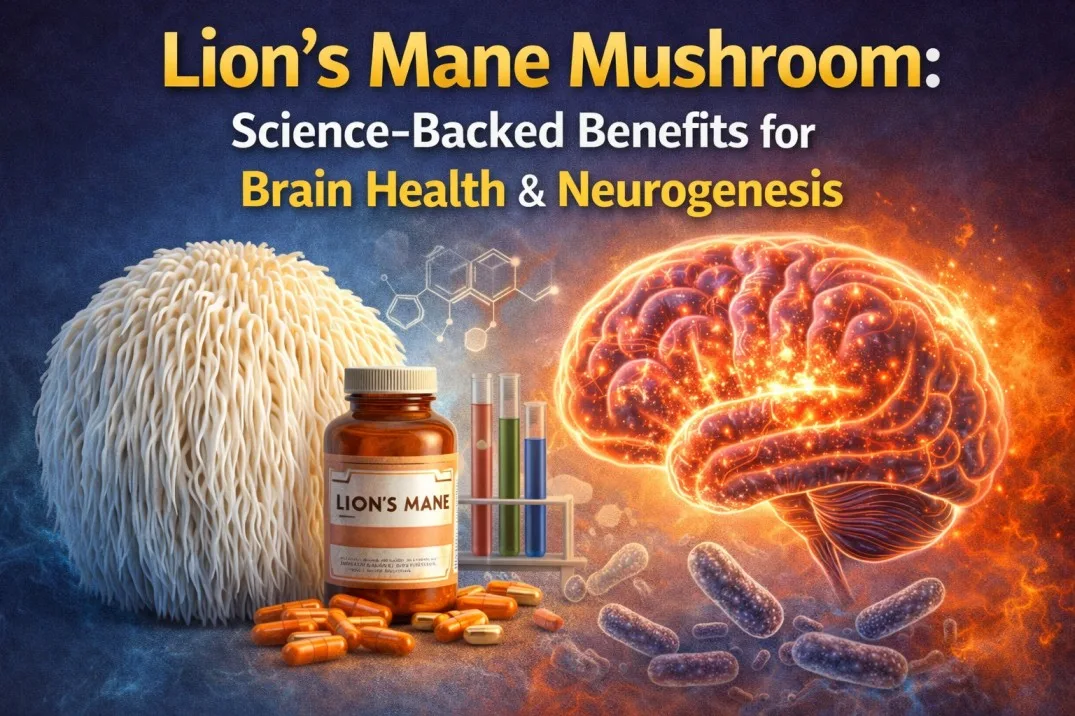
In the fast-growing world of brain health and cognitive optimization, few natural compounds have attracted as much scientific attention as Lion’s Mane mushroom (Hericium erinaceus). Unlike synthetic stimulants and short-term “focus pills,” Lion’s Mane stands out for one reason: it doesn’t just stimulate the brain; it may help repair and regenerate it.
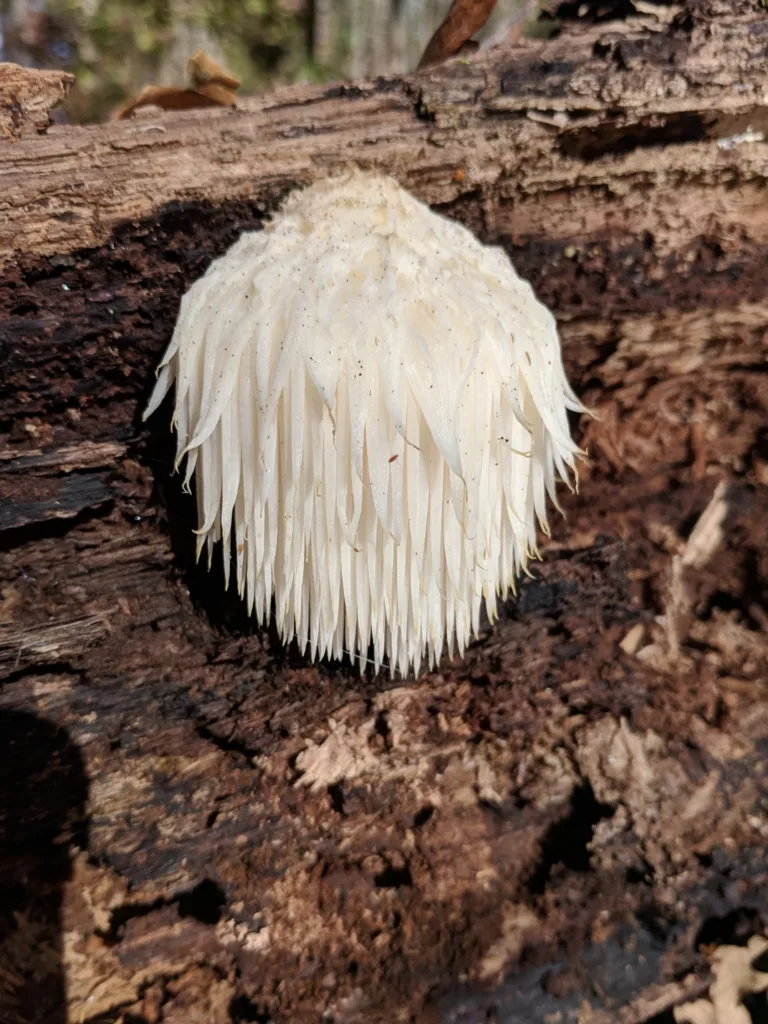
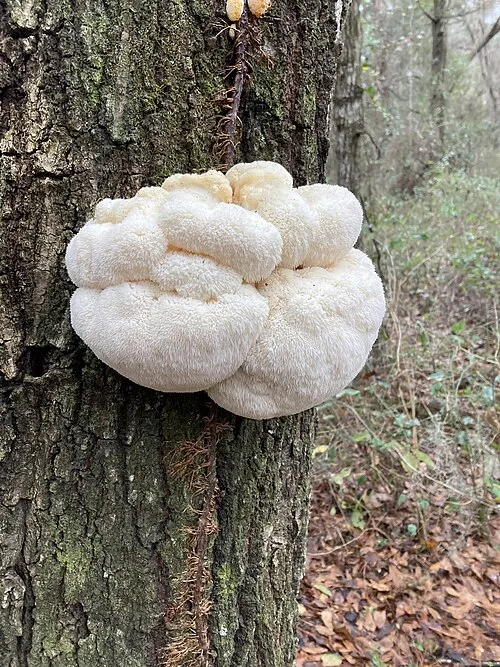
Used for centuries in traditional Chinese medicine, Lion’s Mane mushroom, often compared to a cascading waterfall, is now at the center of modern neuroscience research. The rising concerns around brain fog, ADHD symptoms, memory decline, and age-related cognitive issues have pushed Lion’s Mane to the forefront as one of the most studied natural nootropics in the world.
But does Lion’s Mane truly support neurogenesis and long-term brain health, or is its popularity driven more by marketing than evidence? In this guide, we break down the biology, clinical research, real-world benefits, and limitations of Lion’s Mane Mushroom so you can understand what this “smart mushroom” can (and can’t) do.
What is Lion’s Mane Mushroom?
Lion’s Mane is an edible and medicinal mushroom native to North America, Europe, and Asia. Unlike most medicinal mushrooms (like Reishi or Chaga), which primarily focus on the immune system, Lion’s Mane Mushroom is neurotrophic. This means it contains bioactive substances that have a direct, positive effect on the health and growth of your nervous system.
The Compounds of Lion’s Mane: Hericenones and Erinacines
To understand why Lion’s Mane is unique, we have to look at its chemistry. It contains two specific families of compounds:
- Hericenones: Found in the “fruiting body” (the part you see).
- Erinacines: Found in the “mycelium” (the root-like structure).
Recent clinical research has confirmed that these compounds are small enough to pass through the blood-brain barrier. Once they enter the brain, they stimulate the production of Nerve Growth Factor (NGF).
Benefits of Lion’s Mane Mushroom for Brain Health & Neurogenesis
Below are the benefits of Lion’s Mane and the research backing them up.
The Science of Neurogenesis: Can You Grow New Brain Cells?
For decades, the medical establishment believed that humans were born with a fixed number of brain cells and that once they died, they were gone forever. We now know this is false. The brain is capable of neurogenesis, the process by which new neurons are formed.
Lion’s Mane acts as a catalyst for neurogenesis. By boosting NGF, it helps “fertilize” the brain, allowing neurons to repair their myelin sheaths (the protective coating that allows electrical signals to travel quickly).
What the Research Says about Neurogenesis and Lion’s Mane:
- Cognitive Improvement: A landmark study published in Biomedical Research involving older adults with mild cognitive impairment showed that those taking Lion’s Mane significantly improved their scores on cognitive function scales compared to a placebo group.
- The “Speed” of Thought: A 2023 study in Nutrients demonstrated that healthy young adults showed improved performance speed and accuracy on cognitive tasks just 60 minutes after a single dose, suggesting both acute and long-term benefits.
Lion’s Mane vs ADHD and Focus
As the diagnosis of adult ADHD reaches record highs, many are seeking “clean” alternatives to pharmaceutical stimulants. Lion’s Mane has become the go-to supplement for this demographic.
Unlike caffeine or Adderall, which focus on flooding the brain with dopamine, Lion’s Mane works on clarity and connectivity. Users often report a “widening” of their focus, meaning they can stay on task longer without the jittery “wired” feeling or the late-afternoon crash.
RECOMMENDED: Gut Health 2026: Best Supplements, Gut Tests, and the Fibermaxxing Trend Explained
How Lion’s Mane Mushroom Helps with Depression and Anxiety
The benefits of Lion’s Mane aren’t limited to IQ and memory; they extend to emotional regulation. The hippocampus is the brain area responsible for emotional responses and forming memories. In people with chronic depression or anxiety, the hippocampus is often physically smaller or less active.
By promoting neurogenesis in the hippocampus, Lion’s Mane may help “buffer” the brain against stress. A 2024 review of animal and human trials suggests that the anti-inflammatory effects of Hericium erinaceus can reduce the expression of pro-inflammatory cytokines linked to mood disorders.
Physical Recovery: Nerve Damage and Peripheral Health
The “Nerve Growth” aspect of this mushroom isn’t just for the brain. It also applies to the Peripheral Nervous System.
Research indicates that Lion’s Mane can speed up recovery from nervous system injuries by up to 23% to 41%. This makes it a potential therapeutic tool for people recovering from:
- Physical trauma/nerve crushing.
- Neuropathy associated with diabetes.
- Generalised muscle weakness is often associated with nerve communication disorders.
How to Use Lion’s Mane: Dosage and Quality
Not all Lion’s Mane supplements are created equal. If you are buying a product that is mostly “grain filler” (used to grow the mushroom), you won’t get the results.
Check the Extraction Method
Look for “Dual Extraction.” Some compounds in Lion’s Mane are water-soluble, while others (the ones that help your brain) are alcohol-soluble. A dual-extract ensures you get both.
Fruiting Body vs. Mycelium
While the fruiting body contains more hericenones, the mycelium is actually richer in erinacines, which are more potent for NGF stimulation. The best supplements use a blend of both.
Recommended Dosage of Lion’s Mane Mushroom
Most clinical trials suggest a dosage of 1,000mg to 3,000mg per day. It is best taken in the morning to capitalize on the focus-enhancing effects throughout the workday.
FAQs about Lion’s Mane Mushroom
Q: Does Lion’s Mane make you “high”?
A: No. Lion’s Mane is non-psychoactive. It does not contain psilocybin and will not cause hallucinations. It feels more like a “lifting of the fog” rather than an altered state of consciousness.
Q: Is Lion’s Mane mushroom safe?
A: Lion’s Mane is generally considered safe for most people when taken at recommended doses. Mild side effects may include digestive discomfort or skin rashes in sensitive individuals. People with mushroom allergies or on nerve-related medications should consult a healthcare provider before use.
Q: How long does it take Lion’s Mane to work?
A: While some notice a difference in focus within 1–2 hours, the real structural changes (neurogenesis) take time. Most users report significant results after 3 to 4 weeks of daily use.
Q: Are there side effects of using Lion’s Mane?
A: Lion’s Mane is incredibly safe. The only real contraindication is for those with mushroom allergies. Some users report “tingling” skin, which is thought to be a result of increased NGF, but this is rare and usually subsides.
Q: Can I cook with Lion’s Mane Mushroom?
A: Yes! Fresh Lion’s Mane has a texture similar to crab or lobster. However, to achieve the medicinal concentration required for brain repair, a concentrated extract/powder is usually necessary.
Q: How long does Lion’s Mane take to work?
A: Most people report noticeable effects from Lion’s Mane within 2 to 4 weeks of daily use. Cognitive benefits such as improved focus may appear first, while nerve regeneration and memory support typically require 8 to 12 weeks of consistent supplementation.
Wrapping Up: Benefits of Lion’s Mane Mushroom
In a world full of “miracle cures,” Lion’s Mane stands out because its mechanisms are biologically plausible and increasingly proven. It isn’t a magic pill that will give you a 200 IQ overnight, but as a tool for long-term brain resilience, it is unparalleled.
Whether you are a student, a professional facing burnout, or an older adult looking to stay sharp, this mushroom is a worthy addition to your daily routine.
References
- Mori, K., et al. (2009/Updated 2024). “Improving effects of the mushroom Hericium erinaceus on mild cognitive impairment.” Phytotherapy Research.
- Docherty, S., et al. (2023). “The Acute and Chronic Effects of Lion’s Mane Mushroom on Cognitive Function and Mood.” Nutrients.
- Lai, P. L., et al. (2013). “Neurotrophic properties of the Lion’s mane medicinal mushroom.” International Journal of Medicinal Mushrooms.
- Szewczyk, K., et al. (2023). “Hericium erinaceus: A Review of its Potential in Neurodegenerative Diseases.” Frontiers in Aging Neuroscience.













Leave a Reply