

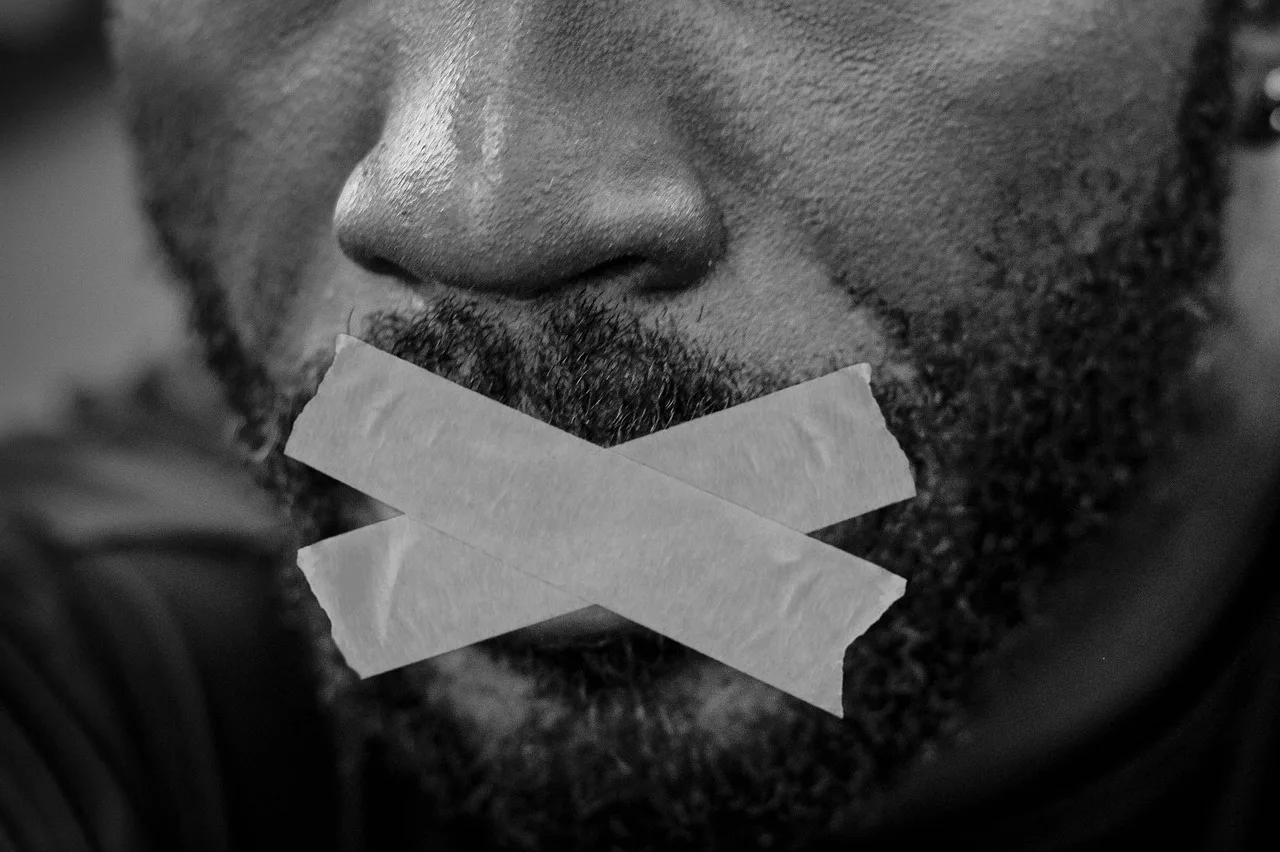
If you’ve been busy on TikTok or Instagram lately, you’ve likely seen wellness influencers and biohackers heading to bed with a piece of tape over their lips. It looks like something out of a hostage movie, but “mouth taping” has officially gone mainstream in 2025.
There are claims that it’s the secret to deep sleep, a chiseled jawline, and no more snoring. Critics, however, warn of potential risks. So, is this a miracle sleep hack or just another dangerous social media fad?
In this comprehensive guide, we’re breaking down the latest 2024–2025 research to see if you should “stick” to this mouth taping trend.
What is Mouth Tape and What Does It Do?
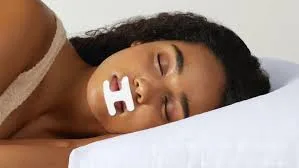
At its core, mouth tape does a simple thing: it physically prevents your mouth from falling open while you sleep. By keeping your lips sealed, you are forced to breathe through your nose.
Many people ask, “What is mouth tape?” It is typically a medical-grade, hypoallergenic adhesive specifically designed for the sensitive skin on the lips. Brands like Hostage Mouth Tape, Vio2 mouth tape, PAP MD mouth tape, and even the Skinny Confidential mouth tape have gained massive popularity by offering different shapes and adhesive strengths to fit various face types.
The Science-Backed Benefits of Mouth Tape
When you use tape on mouth strips correctly, you shift your body into a “nasal-dominant” state. The benefits of mouth tape go far beyond just “not being a mouth breather”.
According to 2025 sleep research, the primary benefits of mouth taping include:
- Reduced Snoring: Keeping the mouth shut prevents the soft tissues in the throat from vibrating.
- Better Oral Health: Prevents dry mouth, which reduces the risk of cavities, gum disease, and bad breath.
- Improved Oxygen Exchange: Nasal breathing releases nitric oxide, which improves blood flow and oxygen uptake.
- Enhanced CPAP Adherence: Studies show mouth tape helps CPAP users stay compliant by preventing “mouth leaks.”
Why Nasal Breathing is the Goal
To understand why people are taping their mouths, we first have to understand why the nose is the superior breathing organ. Your nose is a sophisticated filtration and climate-control system.
- Filtration: Tiny hairs (cilia) trap dust, allergens, and pathogens before they reach your lungs.
- Humidification: The nose warms and moistens the air, preventing the “sore throat” feeling many mouth-breathers wake up with.
- Nitric Oxide Production: This is the big one. Nasal breathing produces nitric oxide (NO), a vasodilator that helps lower blood pressure and allows your blood to carry oxygen more efficiently.
Mouth breathing, by contrast, is a survival backup. It delivers cold, dry, unfiltered air directly to the lungs, often leading to a “fight or flight” response in the nervous system.
READ ALSO: Vagus Nerve Stimulation Explained: How To Relieve Stress, Heal, and Reset Your Nervous System
Can Mouth Taping Fix Sleep Apnea?
This is the most controversial part of the trend. Obstructive Sleep Apnea (OSA) occurs when your airway collapses during sleep. Can a piece of tape fix a collapsed airway?
- A landmark study published in the Journal of Clinical Sleep Medicine (2025) found that for patients using CPAP machines, mouth tape significantly improved adherence. By stopping air from leaking out of the mouth, the machine was more effective, and patients slept an average of 51 minutes longer per night.
- For those with mild sleep apnea, small-scale trials (like the 2024 JAMA study) showed a reduction in the Apnea-Hypopnea Index (AHI), the score used to measure apnea severity. However, for those with severe obstruction, mouth taping alone is not a cure and can be dangerous.
The “Jawline” Myth: Will Mouth Taping Change Your Face?
You may have seen “before and after” photos claiming mouth taping creates a more defined jawline. While mouth taping won’t change an adult’s bone structure overnight, chronic mouth breathing, especially in children, has been scientifically linked to “long face syndrome” and dental crowding. By encouraging the tongue to rest on the roof of the mouth, mouth taping helps maintain the natural alignment of the face.
The Risks of Mouth Taping You Can’t Ignore
Before you reach for the Scotch tape, you need to know who should never try mouth taping:
- Nasal Obstruction: If you have a severely deviated septum, nasal polyps, or chronic allergies, your body needs your mouth to open so you don’t suffocate.
- Alcohol or Sedative Use: Never tape your mouth if you’ve been drinking or taking sleep meds. If you need to vomit or if your breathing becomes depressed, the tape creates a massive aspiration risk.
- Heart Conditions: Dropping oxygen levels due to a blocked nose can put undue stress on the heart.
How to Mouth Tape Safely (The “L” Method)
If you’ve cleared it with your doctor and want to try it, follow these steps to avoid a 3 AM panic attack:
- Use the Right Tape: Never use duct tape or packing tape. Use micropore surgical tape or specifically designed sleep strips.
- The “Vertical” Strip: Instead of taping your entire mouth shut like a mummy, place a single strip vertically across the center of your lips. This allows air to escape from the corners of your mouth if you truly need to breathe.
- The Daytime Test: Wear the tape for 30 minutes while watching TV during the day. If you feel panicky or can’t breathe comfortably through your nose, mouth taping isn’t for you yet (you may need to address nasal congestion first).
Does Mouth Tape Help with Snoring?
One of the most common reasons people search for mouth tape for snoring is to save their relationships (and their partner’s sleep).
Does mouth tape work for snorers? In many cases, yes. Snoring is often the result of the tongue falling back and the soft tissues of the throat vibrating as air rushes through an open mouth. By using mouth tape for sleep, you stabilize the jaw and keep the airway path restricted to the nose, which significantly reduces or eliminates that vibrating sound.
Please note: If you suspect your snoring is a sign of sleep apnea, you must consult a doctor first.
Is Mouth Tape Safe? (The 2026 Safety Checklist)
The number 1 question asked in 2025 is: Is mouth tape safe? For the vast majority of healthy adults, it is perfectly safe, provided you use the right materials. You should never use duct tape or household adhesives. If you are worried about feeling claustrophobic, many experts recommend the “L-shape” or “vertical strip” method, which leaves the corners of your mouth open for emergency air.
Avoid mouth taping if:
- You have been drinking alcohol (sedatives make it harder to wake up if you can’t breathe).
- You have a severe cold or completely blocked nasal passages.
- You have a very low BMI or respiratory issues.
Mouth Taping vs. Nasal Strips: Which is Better?
For many, the problem isn’t the mouth, it’s the nose. If your nostrils are narrow, you’ll naturally open your mouth to compensate.
- Nasal Strips (Breathe Right): These work from the outside in, physically pulling the nostrils open.
- Mouth Tape: This works from the “bottom up,” forcing the habit of nasal breathing.
Pro Tip: Many biohackers in 2025 use both a nasal strip to open the airway and mouth tape to keep the seal.
RECOMMENDED: Can a Man with One Testicle Father a Child? Everything You Need to Know
FAQs about Mouth Taping
Q: Will I choke in my sleep if I use Mouth Tape?
A: If you use porous surgical tape and apply it vertically, your mouth will naturally “pop” open if the pressure becomes too high. However, if you have a total nasal blockage, you shouldn’t be taping at all.
Q: Is mouth taping okay for kids?
A: No. Do not tape a child’s mouth. Children have smaller airways and may not be able to remove the tape if they experience respiratory distress. If your child is a mouth breather, see a pediatric dentist or ENT immediately.
Q: Why do I wake up with the tape off?
A: This is common! It means your body fought the tape during the night because it wasn’t getting enough air through the nose. This is a sign you might have nasal congestion or a deviated septum that needs addressing first.
Q: Can it stop snoring completely?
A: For many, yes. Snoring is often the sound of air hitting the soft palate and tongue when the mouth is open. By closing the mouth, you often eliminate the primary cause of snoring.
Q: Does mouth tape actually work for better sleep quality?
A: Yes. Many users report feeling more “rested” because nasal breathing activates the parasympathetic nervous system (rest and digest), leading to more time spent in deep and REM sleep stages.
Q: What is the best mouth tape to buy?
A: The best mouth tape depends on your skin sensitivity. If you have a beard, Hostage Mouth Tape is often recommended for its strong grip. For those with sensitive skin, Vio2 or PAP MD mouth tape offers gentler adhesives.
Q: Can I use mouth tape if I use a CPAP machine?
A: Many patients use mouth tape for sleeping alongside their CPAP to prevent “mouth leaks,” which makes the CPAP more effective. However, always clear this with your sleep specialist first.
Q: Why is everyone talking about the Skinny Confidential mouth tape?
A: This brand helped turn mouth taping into a “beauty” habit. It highlights the aesthetic benefits, such as reducing “mouth-breathing face” and preventing the morning “dry lip” look.
Q: How do I start a mouth tape sleep routine?
A: Start by wearing the tape for 10–15 minutes during the day while you read or watch TV. This “desensitizes” your brain to the feeling of having your mouth closed, making it much easier to fall asleep at night.
Should You Try Mouth Taping?
Mouth taping is a low-cost, high-reward tool for the right person. If you are a healthy adult who wakes up with a dry mouth and wants to optimize your “vagal tone” and deep sleep, it’s worth a trial. However, it is not a substitute for medical treatment for sleep apnea.
The Golden Rule: If you can’t breathe through your nose for one minute while awake, don’t try to force it for eight hours while asleep.
References
- Meksukree, A., et al. (2025). “The role of mouth tape for CPAP use in patients with mouth breathing and OSA.” Journal of Clinical Sleep Medicine.
- Rhee, et al. (2025). “Mouth Taping for Sleep: A Systematic Review of Efficacy and Safety.” PLOS One.
- Henry Ford Health (2024). “Nasal Breathing vs. Mouth Breathing: The Pulmonary Impact.”
- American Journal of Physiology (2025). “Nitric Oxide and Cardiovascular Markers in Nasal Breathers.”










Leave a Reply