

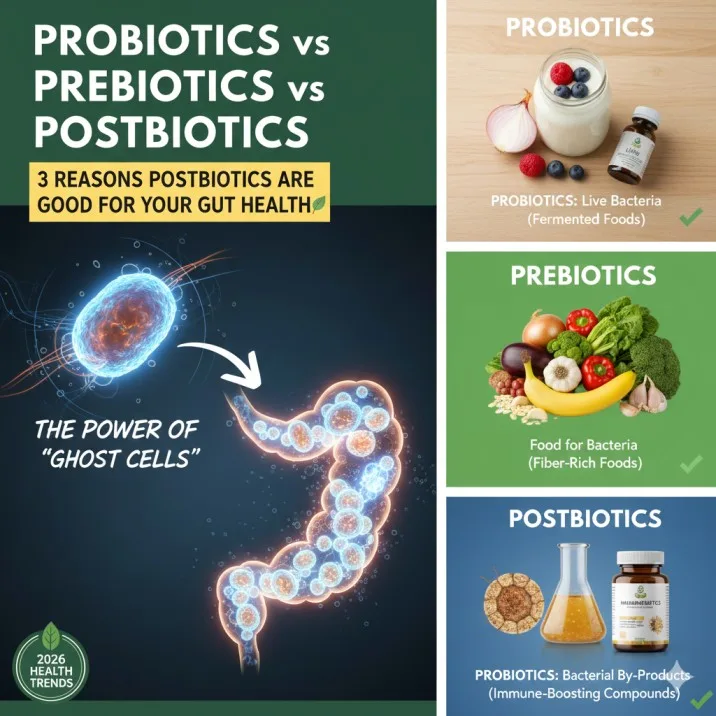
If you’ve been following health trends for the last decade, you likely know about probiotics (the “good” bacteria) and prebiotics (the fiber that feeds them). But as we move into 2026, a new player, called postbiotics, has taken centre stage in the wellness world.
While probiotics introduce live bacteria into your system, postbiotics are the actual “active ingredients” that those bacteria produce. Imagine your gut is a high-end restaurant: the probiotics are the chefs, the prebiotics are the raw ingredients, and the postbiotics are the delicious, finished meal that actually nourishes you.
Understanding the difference between prebiotics, probiotics, and postbiotics is no longer just for medical practitioners; it’s the key to alleviating bloating, clearing your skin, and boosting your immune system.
Prebiotics vs Probiotics vs Postbiotics
To keep it simple, let’s look at your gut like a garden. To have a healthy garden, you need three things:
- Prebiotics (The Fertilizer): These are non-digestible fibers. You don’t “use” them, but your bacteria do. They provide the fuel that allows good bacteria to grow.
- Probiotics (The Seeds): These are the live, beneficial bacteria themselves. When you eat yoghurt or take a pill, you are “planting” these seeds in your gut.
- Postbiotics (The Harvest): This is the newest part of the probiotics vs prebiotics vs postbiotics conversation. Postbiotics are the healthy byproducts—like vitamins, enzymes, and short-chain fatty acids that are left behind after the bacteria finish eating the fiber.
What is a Prebiotic?
A prebiotic is essentially a special type of fiber that your human body cannot digest. It passes through your small intestine untouched and lands in your large intestine, where your good bacteria (probiotics) are waiting for a meal. In the debate of prebiotics vs probiotics vs postbiotics, prebiotics are the unsung heroes. Without them, even the most expensive probiotic supplement will eventually “starve” and die off.
Common Types of Prebiotics:
- Inulin: Found in chicory root and garlic.
- FOS (Fructooligosaccharides): Found in onions and bananas.
- GOS (Galactooligosaccharides): Found in legumes and some dairy
What Exactly is a Postbiotic?
According to the International Scientific Association for Probiotics and Prebiotics (ISAPP), a postbiotic is a “preparation of inanimate microorganisms and/or their components that confers a health benefit on the host.” In plain English? It’s a “dead” or heat-treated version of a probiotic, or the chemicals that the probiotic produced while it was alive.
Why postbiotics vs prebiotics?
Because postbiotics offer something that live bacteria can’t, which is stability. Probiotics are fragile. They can die if they get too hot, if the stomach acid is too strong, or if they sit on a shelf for too long. Postbiotics are already “inanimate,” meaning they don’t need refrigeration, and they can survive the journey through your stomach to get exactly where they need to go.
Postbiotic vs Prebiotic: Which One Do You Need?
When comparing postbiotic vs prebiotic, it’s not a matter of which is better, but rather what your goal is.
| Feature | Prebiotics | Postbiotics |
| What is it? | Fiber/Food | Bacterial byproducts/Dead cells |
| Main Job | Feeding your existing bacteria | Directing healing and immune response |
| Stability | Very stable | Extremely stable (no fridge needed) |
| Best For | Long-term gut diversity | Fast relief and targeted immunity |
| Side Effects | Can cause gas/bloating | Very low risk of side effects |
If you have a very sensitive stomach, you might find that prebiotics and postbiotics have different effects. High-fiber prebiotics can sometimes cause gas as the bacteria ferment them. Postbiotics, however, provide the benefits (like reduced inflammation) without the fermentation process, making them “gentler” for people with IBS.
3 Reasons Postbiotics are needed for your gut health
1. The “Ghostbiotic” Advantage
The most exciting part of probiotics vs prebiotics vs postbiotics research is the use of “heat-killed” bacteria. Studies show that even when a bacterium is dead, its cell wall can still interact with your immune system. These “ghost” cells act like a training manual for your white blood cells, teaching them how to fight off viruses without actually causing an infection.
2. Direct Support for the Gut Lining
One of the most famous postbiotics is Butyrate. This is a short-chain fatty acid that acts like “fuel” for the cells lining your gut. It helps “zip up” a leaky gut, reducing overall body inflammation. When you look at prebiotic vs postbiotic functions, the postbiotic is the one doing the actual repair work on the gut wall.
3. Precision Wellness
In 2026, we are moving toward “Precision Biotics.” Instead of taking a general probiotic and hoping for the best, scientists can now give you the specific postbiotic your body is missing, whether that’s for clear skin, better sleep, or a faster metabolism.
How to Get Probiotics, Prebiotics and Postbiotics In Your Diet
You don’t always need expensive pills. You can get a mix of prebiotic vs probiotic and postbiotic benefits through a “food-first” approach.
The Ultimate Gut-Health Shopping List:
- For Prebiotics: Garlic, onions, leeks, asparagus, slightly green bananas, and oats.
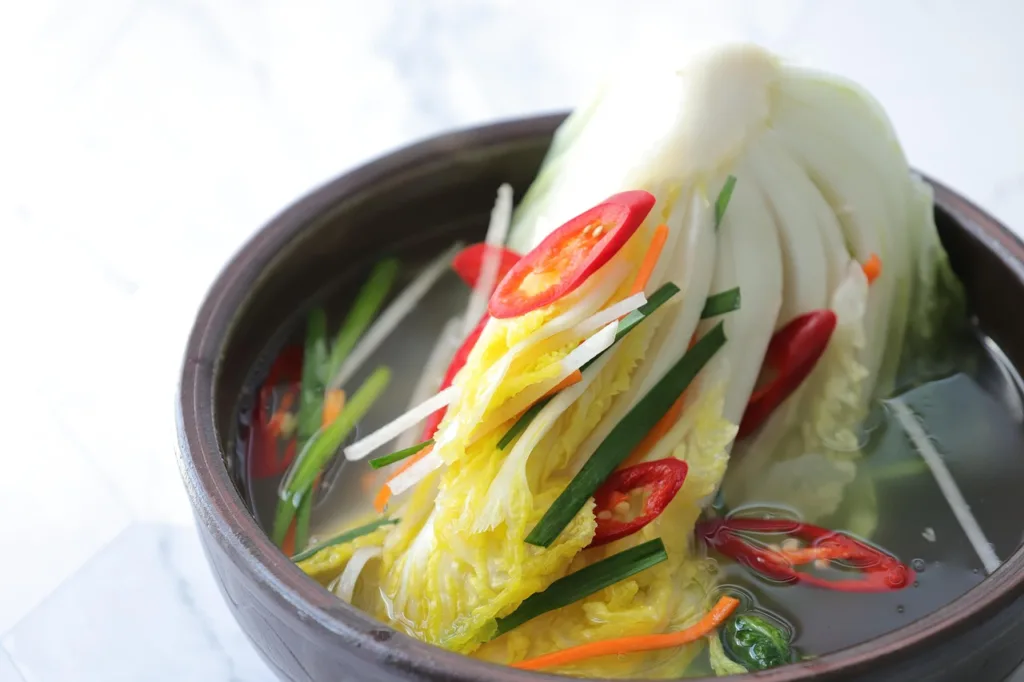
- For Probiotics: Live-culture yoghurt, kefir, unpasteurized sauerkraut, kimchi, and kombucha.
- For Postbiotics: Since postbiotics are found in fermented foods, eating miso, tempeh, and aged cheeses gives you a dose of the metabolites produced during the fermentation process.
RECOMMENDED: Gut Health 2026: Best Supplements, Gut Tests, and the Fibermaxxing Trend Explained
FAQs About Postbiotics/Prebiotics/Probiotics
1. Is a postbiotic better than a probiotic?
Not necessarily “better,” but different. Probiotics are great for long-term health, but postbiotics are safer for people with severely weakened immune systems because they don’t contain live bacteria that could potentially cause an overgrowth.
2. Can I take prebiotics and postbiotics together?
Yes! In fact, most experts recommend it. Taking a prebiotic and postbiotic together is often called “Synbiotic” or “Total Biotic” therapy. The prebiotic feeds your natural bacteria, while the postbiotic provides immediate support.
3. Do postbiotics help with weight loss?
Emerging postbiotics vs probiotics vs prebiotics research suggests that certain postbiotics (like those from Akkermansia) may help regulate metabolism and improve insulin sensitivity, though more human trials are needed.
4. Why should I care about postbiotics vs probiotics vs prebiotics?
Because many people take probiotics that never actually “colonize” their gut. By understanding the postbiotic vs probiotic vs prebiotic relationship, you can ensure your body is actually getting the results of the bacteria, even if the bacteria themselves don’t survive.
References
- Salminen, S., et al. (2021). “The International Scientific Association of Probiotics and Prebiotics (ISAPP) consensus statement on the definition and scope of postbiotics.” Nature Reviews Gastroenterology & Hepatology.
- Vinderola, G., et al. (2022). “The Concept of Postbiotics.” – PMC.
- Harris, G. (2024). “Postbiotics for gut health: an overview.” Gastrointestinal Nursing
- Thornton, J. (2025). “Probiotic-derived postbiotics: a perspective on next-generation therapeutics.” Frontiers in Microbiology.










Leave a Reply