

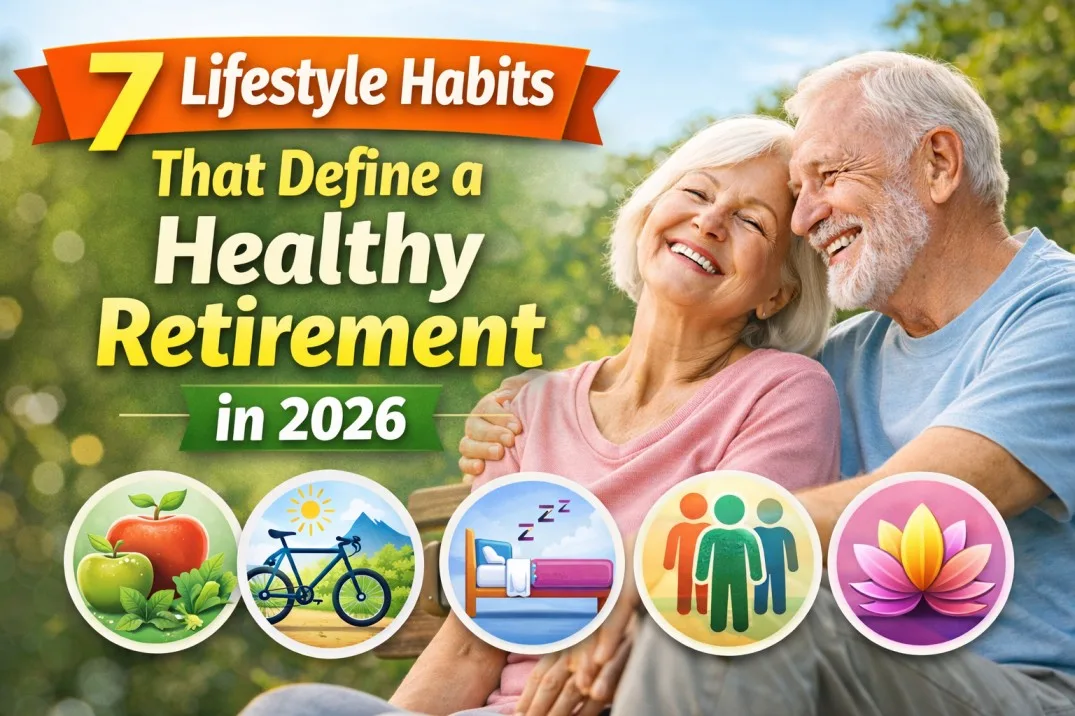
Did you know that there are specific lifestyle habits that define a healthy retirement? This article addresses the routines you need to adopt the moment you retire to ensure your golden years are spent in peak physical and mental shape.
For decades, we’ve been sold a version of retirement that looks like a permanent vacation, sitting back, slowing down, and “taking it easy.” We are in 2026, and the data is telling us a different story. The “slow down” approach is often what triggers rapid ageing because of stress.
The most vibrant retirees today aren’t the ones doing the least; they are the ones who have replaced the “work grind” with intentional lifestyle habits. From protecting your “muscle bank” to mastering your circadian rhythm, retirement is the best time to build a body that lasts.
What are the best lifestyle habits for a healthy retirement?
A healthy retirement in 2026 is built on seven core habits: resistance training to prevent sarcopenia (muscle loss), metabolic flexibility through timed eating, cognitive novelty (learning new skills), circadian alignment (morning sun exposure), low-inflammation dieting, social integration, and stress-recovery techniques like vagus nerve stimulation. Prioritizing muscle-centric medicine is the most critical factor, as muscle mass is the primary predictor of metabolic health and physical independence in adults over 65.
What are the 7 lifestyle habits that define a healthy retirement?
Below are the 7(seven) lifestyle habits that ensure a healthy retirement for you or your parent.
Build Your Muscle Via Resistance Training
In retirement, muscle is more than just strength; it’s your metabolic currency. After age 50, we naturally lose about 1–2% of our muscle mass per year, a condition referred to as sarcopenia.
- The Habit: Aim for two days of resistance training. This doesn’t mean heavy bodybuilding; it means bodyweight squats, resistance bands, or light weights.
A 2025 study in the Journal of Cachexia, Sarcopenia and Muscle confirms that maintaining muscle mass is the #1 way to prevent falls and keep your blood sugar stable.
Master “Circadian Anchoring”
Retirement often disrupts our sleep because we no longer have a “work clock” to wake us up. However, your brain still needs a schedule.
- The Habit: Get 10 minutes of direct sunlight in your eyes before 10:00 AM.
- Why it works: This “anchors” your master clock, ensuring your body produces enough melatonin at night so you can actually stay asleep.

Practice “Cognitive Novelty”
Crossword puzzles are great, but they aren’t enough. Your brain needs novelty to create new neural pathways.
- The Habit: Learn a “difficult” new skill, like a new language, a musical instrument, or even a tech skill.
- The Goal: Pushing through the frustration of being a “beginner” is exactly what protects the brain from cognitive decline.
Prioritize Eating Protein More
Many retirees naturally drift toward “tea and toast” diets, but this accelerates ageing.
- The Habit: Ensure every meal has 25–30g of high-quality protein.
- The Reason: As we age, our bodies become “anabolic resistant,” meaning we need more protein than younger people to maintain the same amount of muscle and bone density.
Cultivate “Non-Digital” Social Circles
In 2026, digital isolation is a major health risk. While Zoom calls are nice, they don’t provide the same hormonal benefits as face-to-face interaction.
- The Habit: Join a local “Active Retirement” group, a walking club, or a community garden.
- The Science: According to the Harvard Study of Adult Development, the quality of our relationships is the single most important predictor of longevity, even more than diet or exercise.
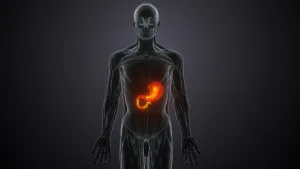
Metabolic Flexibility (Timed Eating)
You don’t need to do extreme fasting, but giving your digestive system a break is vital.
- The Habit: The “12-hour Window.” Eat dinner at 7:00 PM and don’t eat breakfast until 7:00 AM.
- The Benefit: This allows your body to enter a state of “Autophagy,” where it cleans out damaged cells, reducing the inflammation that causes joint pain.
Find Your “Ikigai” (Purpose)
The most dangerous day in retirement is the day you feel you have no reason to get out of bed. The Japanese call this Ikigai, your reason for being.
- The Habit: Volunteering, mentoring, or even caring for a pet. Having a “mission” lowers cortisol and significantly reduces the risk of cardiovascular events.
Lifestyle Comparison Table
| Habit | Impact on Ageing | Ease of Starting |
| Morning Sun | Resets Sleep Cycle | 10/10 (Free & Easy) |
| Strength Training | Prevents Bone Loss | 6/10 (Requires Plan) |
| Socializing | Lowers Dementia Risk | 7/10 (Requires Effort) |
| 12-Hour Fast | Reduces Inflammation | 9/10 (Just Timing) |
FAQs on Retirement Lifestyle Habits
How much exercise do I actually need in retirement?
The American Heart Association recommends 150 minutes of moderate activity per week, but for retirees, the “2+2 Rule” is best: 2 days of strength and 2 days of “Zone 2” cardio (walking where you can still talk).
Is it too late to start a new diet in my 70s?
Never. Research shows that switching to a Mediterranean or DASH diet even late in life can improve heart health and cognitive function within just six months.
What is the biggest “habit killer” in retirement?
Alcohol and excessive screen time. Retirement often provides “happy hour” opportunities every day, but alcohol is a major sleep disruptor for older adults. Limiting it to 1–2 days a week can transform your energy levels.
Can these habits really stop memory loss?
While they can’t “cure” Alzheimer’s, habits like cognitive novelty and regular movement are clinically proven to slow the progression of mild cognitive impairment by increasing “Brain-Derived Neurotrophic Factor” (BDNF).
Conclusion: 7 Lifestyle Habits That Define a Healthy Retirement
Retirement is not a finish line; it’s a pivot. You finally have the most valuable resource on earth: time. By spending that time on these seven habits, you aren’t just adding years to your life, you’re adding life to your years.
Don’t try to change your whole life today. Pick one habit, perhaps the morning sun or the 12-hour fast, and master it this week. Your “golden years” are only as golden as the habits you keep.
References & Further Reading
- Journal of Cachexia, Sarcopenia and Muscle: Muscle Mass as a Vital Sign in Clinical Practice
- Harvard Health Publishing: The Secret to Longevity: Social Connection
- National Institute on Aging (NIA): Physical Activity and Healthy Aging
- Nature Ageing (2025): “Circadian Rhythms and Metabolic Health in the Elderly Population.”







Leave a Reply