

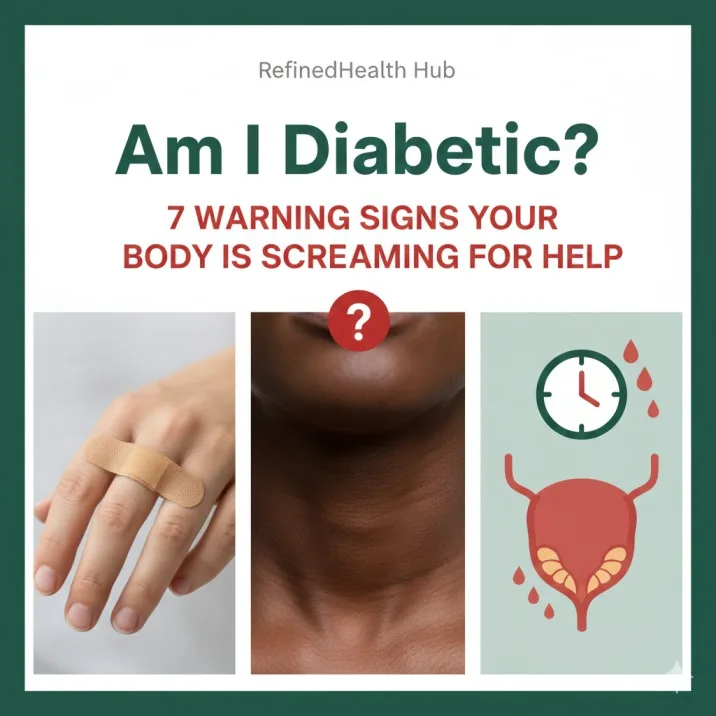
Am I diabetic? You are not being paranoid or pessimistic (about your health) if you ask this question. You’re just being careful.
We’ve all been there: you’re extra tired after a long day, or maybe you’ve been drinking a lot of water because it’s hot outside. Usually, it’s nothing. But for millions of people, these “minor” inconveniences are actually the first whispers of a much larger issue.
In 2026, over 1 in 3 adults has prediabetes, and the scariest part? Eighty per cent of them don’t know they have it.
If you’ve been wondering, this guide breaks down the “hidden” signals your body sends when your blood sugar is out of control and explains exactly what your next steps should be.
How can you tell if you are becoming diabetic?
The most common early warning signs of diabetes include extreme thirst (polydipsia), frequent urination (polyuria), especially at night, and unexplained fatigue. Other physical markers include blurred vision, tingling or numbness in the hands and feet, and slow-healing sores. A key visual sign of insulin resistance is Acanthosis Nigricans, which presents as dark, velvety patches of skin in the neck or armpit folds. If you experience these symptoms, a clinical A1C test or fasting blood glucose test is required for a formal diagnosis.
RECOMMENDED: Health Complications of Obesity: Risks, Causes, and How to Prevent Them
7 Signs To Look Out For To Know If You’re Diabetic
As listed above, the following are details about the signs to look out for.
1. Frequent Urination at Night (Polyuria)
If you’ve suddenly started waking up two or three times a night to use the bathroom, your kidneys are trying to tell you something.
- The Science: When your blood sugar is too high, your kidneys can’t keep up. To get rid of the excess glucose, they pull fluid from your tissues and flush it out through your urine.
- The Sign: It’s not just the frequency; it’s the volume. You feel like you’re losing more fluid than you’re taking in.
2. The Unquenchable Thirst (Polydipsia)
This isn’t just “I’m thirsty because I worked out.” This is a deep, bone-dry thirst that doesn’t go away, no matter how much water you drink.
- The Connection: Because you’re peeing so much (see sign #1), your body is constantly in a state of dehydration. It’s a vicious cycle.
3. The “Post-Meal” Crash
We all get a little sleepy after a big Thanksgiving dinner, but if you feel like you need a nap after every single meal, even a healthy one, your insulin might be failing.
- The Reason: In a healthy body, food is turned into fuel (glucose) and moved into your cells. If you’re diabetic, the fuel stays in your blood, and your cells “starve,” leaving you exhausted.
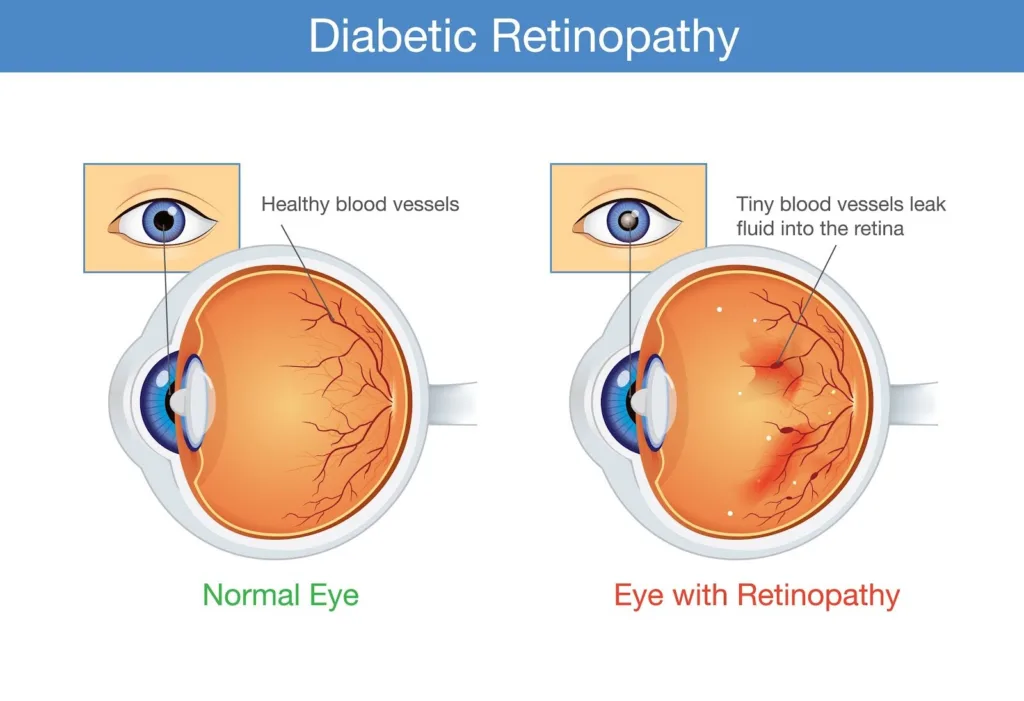
4. Blurred Vision and “Sparkles”
High blood sugar doesn’t just affect your waistline; it affects your eyes. Excess sugar can cause the lenses in your eyes to swell, changing your ability to focus.
- The Warning: If your vision fluctuates (sometimes it’s clear, sometimes it’s blurry), it’s a classic sign that your blood sugar levels are swinging wildly.
5. Slow-Healing Sores and Frequent Infections
Have you noticed that a simple paper cut or a blister on your foot seems to stick around for weeks?
- The Reason: High blood sugar causes two problems: it stiffens the blood vessels (slowing circulation) and weakens the immune system’s white blood cells.
- The Sign: Frequent “yeast infections” or urinary tract infections (UTIs) are also a major red flag. Yeast thrives on sugar, so if your blood sugar is high, your body becomes a breeding ground for these infections.
6. Unexplained Weight Loss
While Type 2 diabetes is often linked to weight gain, sudden weight loss without trying is actually a dangerous sign that your diabetes is progressing.
- The Science: When your body can’t get glucose into your cells for energy, it thinks it’s starving. To compensate, it starts burning through your muscle and fat stores at a rapid rate.
- The Warning: If you’ve lost 10 pounds or more in a few months without changing your diet or exercise, see a doctor immediately.
7. The “Velvet” Skin (Acanthosis Nigricans)
This is one of the most-searched visual symptoms of 2026. It is a direct physical marker of insulin resistance.
- The Sign: Look for dark, thick, “velvety” patches of skin in the folds of your body, specifically the back of the neck, the armpits, or the groin.
- The Misconception: People often try to scrub these patches off, thinking it’s dirt or a hygiene issue. It isn’t. It’s a hormonal signal that your insulin is spiking too high and causing skin cells to reproduce too quickly.
The 3-Step Action Plan If You Notice The Signs Above
If you’ve checked off more than two of the signs above, don’t panic, but do take action.
- Get the Bloodwork: Ask your doctor specifically for an A1C test and a Fasting Glucose test.
- The “Walking” Hack: Start walking for 10 minutes immediately after your largest meal. This helps your muscles “soak up” the excess sugar in your blood without needing as much insulin.
- Audit Your Liquids: Cut out liquid sugars (sodas, sweetened coffees, juices) immediately. This is the fastest way to take the pressure off your pancreas.
Type 2 Diabetes Risk Assessment Table
This table highlights the risk factors and actionable steps you can take today.
| Risk Factor | Low Risk | High Risk | Action Step |
| Waist Size | Women < 35″, Men < 40″ | Women > 35″, Men > 40″ | Measure at belly button level |
| Activity Level | Active (3+ times/week) | Sedentary (Sits > 6 hrs/day) | Aim for 10-min post-meal walks |
| Skin Changes | Normal skin tone/texture | Dark, velvety patches (Neck/Axilla) | Consult a dermatologist/GP |
| Family History | No immediate relatives | Parent or sibling with Type 2 | Prioritize annual A1C screening |
| Age | Under 35 | 35 and Older | Routine screening every 3 years |
| Wound Healing | Cuts heal in 3–5 days | Slow healing or frequent sores | Check feet daily for blisters |
FAQs: The “Am I Diabetic?” Questions
Can I test for diabetes at home?
You can buy an over-the-counter glucose meter, but a single “finger prick” doesn’t give the whole picture. Doctors use the A1C test, which measures your average blood sugar over the last 3 months. According to the American Diabetes Association, an A1C of 6.5% or higher is the diagnostic threshold for diabetes.
Is “Skin Darkening” a sign of diabetes?
Yes. If you notice dark, velvety patches around your neck, armpits, or groin, it is a sign of insulin resistance. This is often one of the very first physical signs that your body is struggling to process sugar.
Why are my hands and feet tingling?
This is called Neuropathy. High blood sugar can damage the tiny nerves in your extremities. It often starts as a “pins and needles” feeling or a slight numbness.
Does diabetes cause weight loss or weight gain?
Actually, both. Type 2 is often associated with weight gain, but sudden, unexplained weight loss can be a sign of Type 1 or advanced Type 2, as your body starts burning muscle and fat for energy because it can’t use glucose.
SEE ALSO: 8 Health effects or Downsides of Being a Desk Worker and how to fix them
Wrapping Up: Am I Diabetic? 7 Warning Signs Your Body Is Screaming for Help
Finding out you might be diabetic isn’t a death sentence; it’s an opportunity. In 2026, we have better tools, diets, and lifestyle strategies than ever before to manage and even reverse prediabetes. The worst thing you can do is ignore the “check engine light.”
If your body is sending you these signals, listen to them. Get tested, get the facts, and take back control of your health.
References & Resources
- American Diabetes Association: Diagnosis and Symptoms
- CDC: The National Diabetes Prevention Program
- Mayo Clinic: Type 2 Diabetes Symptoms and Causes
- National Institute of Diabetes (NIDDK): Early Signs of Diabetes












Leave a Reply