

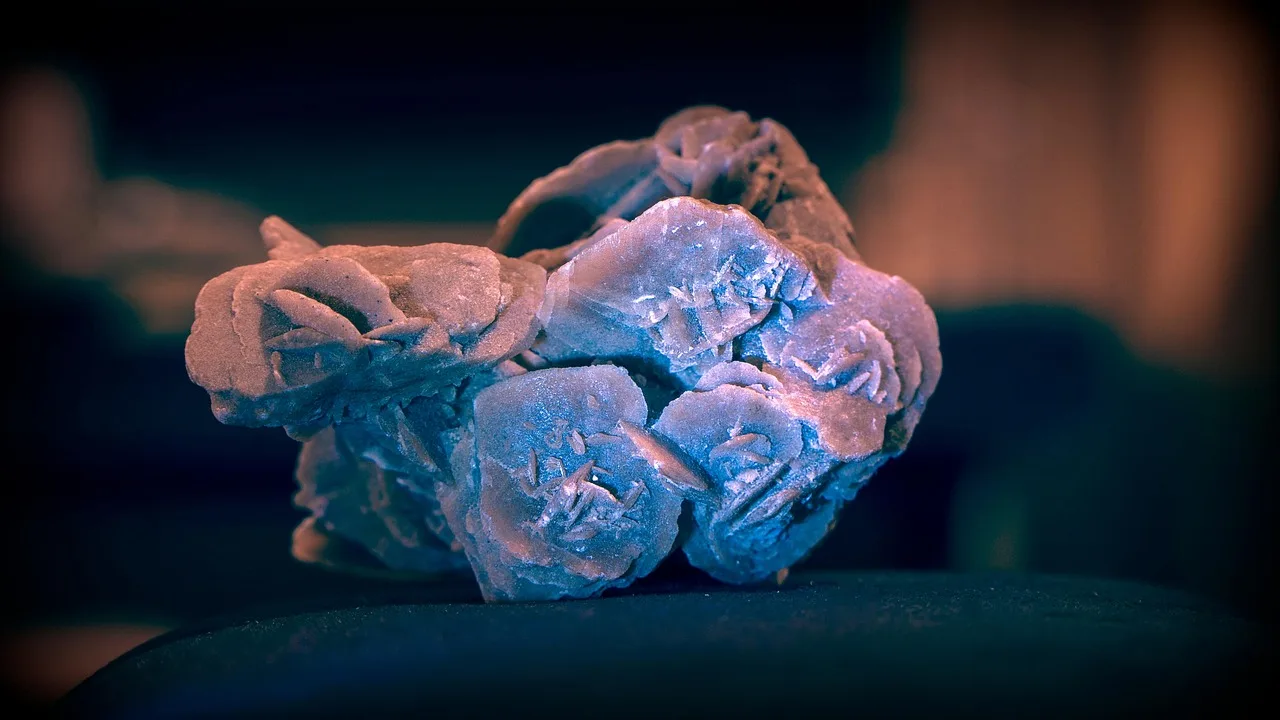
In many homes across West Africa and parts of Asia, potash (commonly known as kaun in Yoruba or akanwu in Igbo) is a staple ingredient. Whether it’s used to soften tough cuts of meat, thicken a bowl of Abacha, or keep the vibrant green colour in Ewedu soup, its utility is undeniable.
However, there is a concern. While it may be “traditional,” modern science is beginning to show that regular consumption of potash can have a devastating impact on the human body. Let’s explore the dangerous effects of Potash and the way out.
What Exactly is Potash(Kaun/akanwu)?
Potash is a type of edible salt rich in potassium carbonate or potassium chloride. It is highly alkaline and acts as a powerful tenderizer. While it occurs naturally, the “potash” found in open markets is often crude and unrefined, containing various impurities that were never meant for consumption by human being..
The Dangerous Effects of Potash on Your Health
1. Chronic Kidney Stress and Failure
The kidneys are responsible for filtering out excess minerals from the bloodstream. Potash is incredibly high in sodium and potassium salts. Regular consumption forces the kidneys to work overtime to maintain a delicate balance.
- The Risk on the Kidney: Long-term use can lead to renal tubular necrosis, a condition where the filtering tubes of the kidneys are damaged, potentially leading to chronic kidney disease (CKD).
2. Damages the Digestive Lining
Because potash is highly alkaline (a strong base), it acts as a mild corrosive. Constant exposure to potash-laden food can irritate the gastrointestinal tract.
- The Risk: Frequent users of potash report chronic indigestion or “heartburn.” In severe cases, it can erode the stomach lining, increasing the risk of gastric ulcers.
3. Impact on Pregnancy and Fertility
Traditional medicine sometimes uses potash for various remedies, but for pregnant women, it can be particularly hazardous.
- The Risk of Potash on Pregnancy: Studies have suggested that high concentrations of potash can trigger uterine contractions. Furthermore, some research indicates that excessive intake may interfere with the survival of the fetus or suppress certain reproductive hormones (Muhammed et al., 2012).
4. Hypertension (High Blood Pressure)
Potash contains significant amounts of sodium. And whenever there is an excess amount of sodium, hypertension is near.
- The Risk: Excess sodium intake is a primary driver of hypertension. For individuals already managing high blood pressure, potash can neutralize the effectiveness of their medication and trigger dangerous spikes.
The “Shortcut” That Costs Too Much
The main reason people use potash is to save time and fuel. It breaks down the fibres in beans, cow skin (ponmo), and tough meats almost instantly. However, when we weigh the cost of a few litres of cooking gas against the cost of dialysis or long-term medical care, the “shortcut” no longer looks like a bargain.
Healthier Alternatives to Potash
If you are looking to tenderize meat or soften vegetables without the toxic side effects, consider these safer options:
- Pressure Cookers: A one-time investment that reduces cooking time by 70% using only steam and pressure.
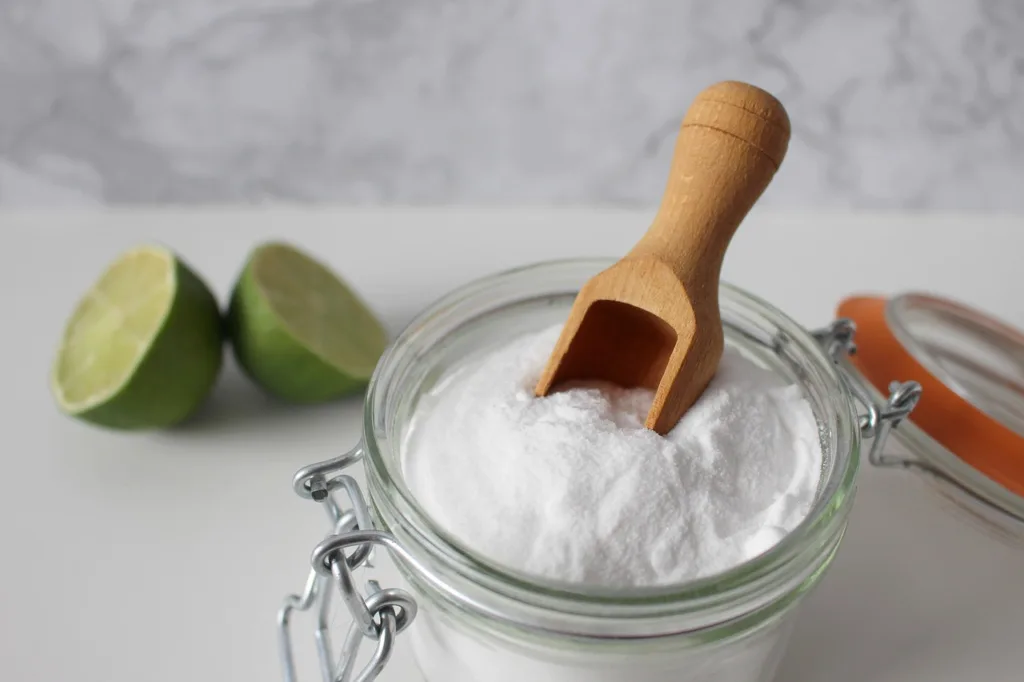
- Baking Soda (in moderation): While still alkaline, food-grade baking soda is refined and safer than crude market potash when used sparingly.
- Natural Tenderizers: Marinating meat in papaya (pawpaw) skins, pineapple juice, or ginger can break down tough proteins naturally using enzymes.
Conclusion: Dangerous Effects of Potash in Cooking?
Culture and tradition are beautiful, but they should evolve as our understanding of health improves. By removing potash from your kitchen, you are making a proactive choice to protect your kidneys, heart, and future. Next time you reach for that grey, stony salt, ask yourself: Is the time saved worth your health?
References:
- Muhammed, A. S., et al. (2012). The effects of potash (kaun) on the reproductive system.Journal of African Applied Sciences.
- National Kidney Foundation. Impact of high mineral salts on renal function.
- Oyelola, O. T. (2010). Chemical analysis of crude potash sold in local markets.
- (PDF) Toxicity Study of Potash Extract, “jar Kanwa”: An Earthy Material Consumed for Remedy of various Ailments in Northern Nigeria – ResearchGate
- Health Benefits and Precautions of Using Potash in Cooking – My Sasun












Leave a Reply