


Does masturbating reduce testosterone is a common question that healthcare professionals encounter from concerned male patients. As nurses, understanding the scientific evidence about sexual activity and hormone levels helps provide accurate patient education and dispel widespread myths. Many men worry that frequent masturbation might lower their testosterone levels, potentially affecting muscle growth, energy, or sexual function. Research examining whether masturbating reduces testosterone has produced mixed findings, but the overall evidence suggests that any hormonal changes are minor and temporary. This guide explores current research on whether masturbating reduces testosterone, the body’s natural hormone fluctuations, and what nurses should communicate to patients seeking guidance on this sensitive topic.
Testosterone and Daily Fluctuations
Before addressing whether masturbation reduces testosterone, nurses should understand that testosterone levels naturally fluctuate throughout the day following a circadian rhythm. Testosterone levels are highest in the morning, typically between 7 AM and 10 AM, when the body is waking up after a good night’s sleep. Testosterone production ramps up during sleep, peaking during the first REM stage, then levels gradually decrease throughout the day, reaching their lowest point in the late afternoon or evening.
READ ALSO: Is Cucumber A Fruit or A Vegetable
In younger men under 45, morning testosterone levels can be 25 to 30 percent higher than evening readings, making the time of testing critical for accurate assessment. This natural variation means testosterone levels can differ significantly from hour to hour, independent of any sexual activity.
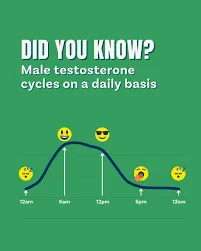
Daily testosterone fluctuation pattern from morning peak to evening from qldheath
What Research Says: Does Masturbating Reduce Testosterone?
When examining whether masturbation reduces testosterone, research findings remain somewhat conflicting and limited. Currently, there is no proven link between masturbation and significant changes in testosterone levels, meaning you are not losing testosterone each time you orgasm and ejaculate. A 2021 study in Basic and Clinical Andrology measured hormonal responses to masturbation and found that masturbation may prevent a drop in free testosterone but not total testosterone over the course of a day, though this was a temporary effect.
Research measuring hormone levels before and after masturbation shows only brief, short-lived shifts in testosterone that return to normal within a few hours. A small 2020 study of seven men in their 30s to early 40s found that testosterone levels in the blood increased from erection until ejaculation, then decreased to the erection level 10 minutes post-ejaculation, providing a temporary testosterone boost rather than a reduction.
One widely cited study measured testosterone levels in men after abstaining from masturbation for three weeks and found testosterone concentrations were slightly higher after the abstinence period. However, the same study found that plasma testosterone levels were unaltered by masturbation or sexual activity, and the study involved only 10 participants, making it challenging to draw firm conclusions. Another small study from 2021 with just 11 participants found that masturbation and visual sexual stimuli may help reduce the severity of natural testosterone drops that occur during the day.
The Body’s Testosterone Regulation System
When considering whether masturbation reduces testosterone, it is important to understand that the body’s feedback system maintains appropriate testosterone levels for sexual, reproductive, and other vital biological functions. The hypothalamic-pituitary-gonadal axis constantly regulates testosterone production, so if levels begin to run low, the body produces more of this hormone as needed.
There is only a tiny amount of testosterone in sperm, and there is no evidence that any significant amount of testosterone leaves the body each time a person climaxes. The body does not deplete testosterone reserves through ejaculation the way it might deplete energy stores through exercise. This regulatory system ensures testosterone remains within normal ranges regardless of sexual activity frequency.
Factors That Actually Affect Testosterone Levels
Rather than worrying about whether masturbating reduces testosterone, nurses should educate patients about factors that genuinely impact hormone levels. Research indicates that lifestyle factors significantly influence testosterone production, including smoking, excessive alcohol consumption, obesity, chronic stress, poor sleep quality, and lack of physical exercise.
A 2021 study demonstrated that serum testosterone levels among people who smoke were significantly lower compared with those of people who do not smoke, confirming earlier research showing decreased total testosterone in smokers. Reversing these factors through quitting smoking, reducing alcohol consumption, losing weight if overweight, and exercising regularly may help increase testosterone naturally. Sleep quality particularly affects testosterone production, as disrupted or fragmented sleep can interfere with the nocturnal testosterone rise that normally occurs during REM sleep.
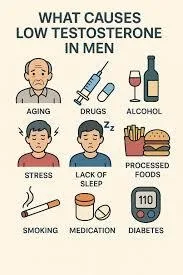
Causes of low testosterone in men. Source: Mario Jordan
What Nurses Should Tell Patients
When patients ask if masturbating reduces testosterone, nurses should provide evidence-based reassurance. Masturbation itself does not have a major negative impact on testosterone levels, and short-term fluctuations in hormone levels after ejaculation are normal and do not cause long-term harm. Any hormonal changes are too small to affect gym performance or energy levels in meaningful ways.
READ ALSO: How to Prevent Weight Gain After Surgery
If patients are concerned about low testosterone, nurses should assess for actual symptoms, including reduced libido, erectile dysfunction, decreased energy, irritability, difficulty concentrating, and loss of muscle mass. These symptoms warrant medical evaluation and testosterone testing, ideally scheduled for morning hours when levels naturally peak.
Conclusion
Does masturbating reduce testosterone? The scientific evidence clearly indicates that masturbation does not cause clinically significant or lasting reductions in testosterone levels. While minor, temporary hormonal fluctuations may occur around sexual activity, these changes resolve within hours and do not impact overall testosterone production or health. The body’s sophisticated regulatory systems maintain appropriate hormone levels regardless of masturbation frequency.
Nurses play an important role in providing accurate, evidence-based information that helps patients understand normal physiology and dispels harmful myths. Rather than concerning themselves with whether masturbating reduces testosterone, patients should focus on proven factors that genuinely affect hormone health including sleep quality, exercise, weight management, and avoiding smoking and excessive alcohol. By addressing these modifiable risk factors and recognizing symptoms of true testosterone deficiency, healthcare professionals can provide comprehensive care that supports optimal male hormonal health.













Leave a Reply