

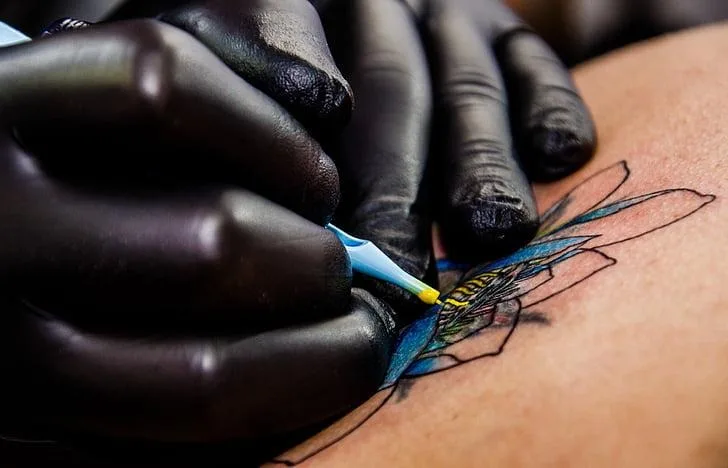
How long does it take for tattoos to heal is one of the most common questions patients ask healthcare professionals after getting inked. As nurses, understanding the tattoo healing timeline helps provide accurate guidance to patients who may experience complications or have concerns about their body art. The healing process involves multiple stages; each requiring specific care to prevent infection and ensure optimal results. Knowing how long it takes for tattoos to heal enables nurses to educate patients about proper aftercare, recognize warning signs of infection, and support healthy recovery outcomes for this increasingly popular form of self-expression.
Understanding the Tattoo Healing Timeline
When patients ask how long does it take for tattoos to heal, the answer involves both surface and deep tissue healing. The outer layer of skin typically heals within two to three weeks after getting a tattoo. However, the complete healing process can take up to six months as deeper skin layers continue to regenerate. While the tattoo may look fully healed on the surface within about four weeks, the skin beneath continues remodeling for several months.
READ ALSO: Does Masturbating Reduce Testosterone
Most sources indicate that how long does it take for tattoos to heal generally ranges from two to four weeks for initial healing, though it may take up to four weeks for the skin to fully recover at the surface. The healing process differs for every person and tattoo, influenced by factors like size, location, color complexity, and individual health status.
The Four Stages of Tattoo Healing
Understanding how long does it take for tattoos to heal requires recognizing distinct healing phases. The first stage lasts from day one through about day six, during which the new tattoo is essentially an open wound. During this critical period, patients might notice oozing, redness, swelling, and a burning sensation around the area, which is completely normal. However, if something feels off or significant pain occurs, patients should reach out to their doctor and tattoo artist.
The second stage involves itching and flaking as the body continues healing. Flaky skin represents a natural response, and the ink remains intact even if it appears some is coming off. Think of a nurse who gets a forearm tattoo, the constant handwashing and glove wearing might make this stage feel more intense, requiring extra moisturizing attention.
By week three, the skin surface should appear completely healed, though the skin beneath continues healing and remodeling. This stage requires continued gentle treatment despite the improved appearance. Finally, the long-term aftercare phase can extend several months, during which deeper layers of skin regenerate completely.
Factors That Affect How Long Does it Take For Tattoos To Heal
Several variables influence how long does it takes for tattoos to heal completely. Tattoo placement significantly impacts healing time. Areas near joints like hands or ankles, or anywhere that flexes like wrists take longer than places that don’t move much. Larger tattoos and ones with intricate color work also require extended healing periods. Research investigating infection risk with tattoos suggests that 0.5-0.6% of people may experience infectious complications, making proper aftercare essential.
The artist’s skill affects the healing timeline, as rough or poor techniques can cause additional skin trauma. Additionally, how patients treat their new tattoos greatly impacts healing speed. For example, picking at scabs, forgetting to moisturize, or using products not designed for healing tattoos can all slow or prevent proper healing.
Essential Aftercare for Optimal Healing
Proper aftercare directly influences how long does it take for tattoos to heal. Nurses should educate patients to keep tattoos clean by washing gently with lukewarm water two to three times daily using fragrance-free antibacterial soap designed for tattoo aftercare. After washing, allow it to air dry or gently pat dry with clean paper towels before applying recommended ointment or lotion. Quality, fragrance-free products designed to help tattoos heal quickly should be used instead of heavy products or petroleum jelly, which can smother tattoos and slow healing.
Patients should avoid direct sunlight exposure and loosely cover new tattoos with clothing to prevent sun damage or fading. Avoid shaving newly tattooed skin until fully healed, and don’t wear tight clothing, especially materials that don’t breathe well or lead to sweating, rubbing, or chafing. Choose loose-fitting natural-fiber clothing like cotton, which allows skin to breathe.
Recognizing Infection and Complications
While understanding how long does it takes for tattoos to heal helps set expectations, nurses must educate patients about infection warning signs. Normal healing includes some redness and swelling, but these should gradually subside after a few days. Persistent redness spreading beyond the tattooed area indicates possible infection requiring medical attention.
Signs of an infected tattoo include increasing pain after the first week, pus with thick yellowish or greenish discharge, fever, and redness that worsens rather than improves. If tattoos become more red and painful or develop pus or open sores, infection has likely occurred. Progressive erythema, edema, and pain after an initial improvement period signal tattoo-related infection requiring prompt medical evaluation.
READ ALSO: Is Cucumber A Fruit or A Vegetable
People should seek immediate medical attention if experiencing fever, chills, severe allergic reactions with breathing difficulties, dizziness, or rapid heartbeat. Bacterial infections typically respond to antibiotics, with mild infections treated using antibiotic ointment for seven to ten days, while more serious infections may require antibiotic pills for two to six weeks.
Conclusion
How long does it take for tattoos to heal depends on multiple factors including size, placement, individual health, and adherence to aftercare protocols. While surface healing typically occurs within two to four weeks, complete healing of deeper skin layers requires up to six months of continued care.
Nurses play a vital role in educating patients about the healing timeline, proper aftercare techniques, and infection warning signs. By understanding how long it takes for tattoos to heal and the factors influencing recovery, healthcare professionals can provide evidence-based guidance that supports optimal healing outcomes while preventing complications. Proper education empowers patients to care for their tattoos responsibly, ensuring their body art heals beautifully while maintaining skin health throughout the extended healing process.










Leave a Reply