

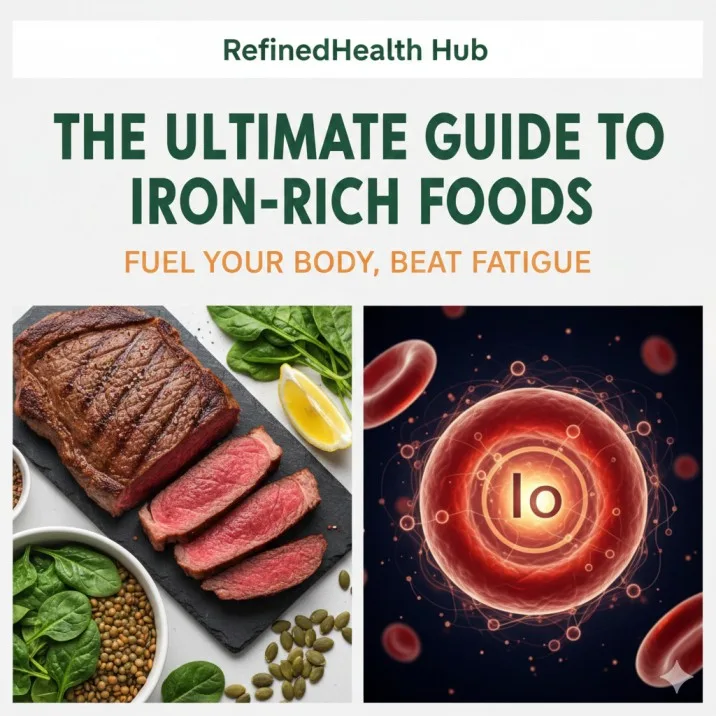
Are you consuming Iron-rich foods? We have seen many health trends come and go. One year it’s kale; the next it’s sea moss. However, if there is one “old school” nutrient that we consistently see men and women neglecting to their own detriment, it’s iron.
We often joke about needing a third cup of coffee to survive the afternoon. But for nearly 2 billion people worldwide, that exhaustion isn’t a lifestyle choice; it’s a biological deficiency. Iron isn’t just a mineral; it’s the primary vehicle that carries life (oxygen) to every single cell in your body.
In this guide, we’ll look at why you’re actually tired, the best iron-rich food sources, and the “absorption hacks” that ensure the iron you eat actually makes it into your bloodstream.
Why do you need iron, and what are the best iron-rich foods?
Iron is an essential mineral used to create hemoglobin, a protein in red blood cells that carries oxygen from the lungs to the rest of the body. Without enough iron, you may develop iron-deficiency anaemia, resulting in extreme fatigue, pale skin, and shortness of breath. The best food sources are divided into two types:
- Heme iron (found in red meat, poultry, and seafood) is easily absorbed.
- Non-heme iron (found in beans, spinach, lentils, and fortified cereals) requires Vitamin C for better absorption. Research suggests that pairing iron with Vitamin C can increase absorption by nearly 300%.
Heme vs. Non-Heme: Not All Iron is Created Equal
This is where most people get confused. There are two “flavors” of iron, and your body treats them very differently.
Heme Iron
Found only in animal products. Your body is highly efficient at absorbing this.
- Top Sources: Beef liver, oysters, clams, beef, and dark-meat turkey.
- Note: You don’t need a 16-oz steak. Just 3-4 ounces of lean beef provides a significant portion of your daily needs.
Non-Heme Iron
Found in plants and fortified foods. This iron is “locked,” and your body needs a bit of help to get it out.
- Top Sources: Lentils, chickpeas, spinach, pumpkin seeds, and tofu.
- To unlock this iron, you must pair it with Vitamin C (like a squeeze of lemon on your spinach or bell peppers in your lentil soup).
Why Iron is Your Body’s “Oxygen Uber”
Think of your red blood cells as a fleet of delivery trucks. Iron is the seat inside those trucks where oxygen sits. If you don’t have enough iron, the trucks show up empty.
When your cells don’t get oxygen, your metabolism slows down, your brain gets foggy, and your muscles feel heavy. But iron does more than just move oxygen; it’s also crucial for:
- Brain Function: Iron supports neurotransmitters that regulate mood and focus.
- Immune Strength: Your immune cells need iron to identify and fight off pathogens.
- Temperature Regulation: If you’re the person who is “always cold,” even in a warm room, your iron levels might be the culprit.
READ ALSO: 12 Best Foods to Boost Immunity Naturally & Strengthen Your Defence
The Absorption Killers: What to Avoid
You could be eating the best iron-rich foods in the world, but if you’re washing it down with the wrong thing, you’re wasting your time.
- Coffee and Tea: These contain tannins and polyphenols that can block iron absorption by up to 60-90% if consumed during or right after a meal.
- Calcium-Rich Foods: Calcium and iron compete for the same “doorway” in your gut. If you’re trying to boost iron, don’t take your calcium supplement at the same time as your steak or spinach.
The Meal Plan You Need To Maximize Iron
| Meal | The Iron Source | The Vitamin C “Unlocker” |
| Breakfast | Fortified Oats or Eggs | Sliced Strawberries or Orange Juice |
| Lunch | Spinach & Quinoa Salad | Squeeze of Fresh Lemon & Bell Peppers |
| Snack | Pumpkin Seeds | An Apple or Kiwi |
| Dinner | Lean Beef or Lentil Stew | Steamed Broccoli or Tomatoes |
Iron-rich Foods For Vegetarians and Vegans
If you don’t eat meat, you aren’t doomed to be tired. However, you do have to be more strategic. Because plant-based iron (non-heme) is less bioavailable, the National Institutes of Health (NIH) suggests that vegetarians may need 1.8 times more iron than meat-eaters to maintain healthy levels.
Focus on “soaking” your beans and grains. This reduces phytates, which are natural compounds in plants that can interfere with iron absorption.
FAQs About Iron-rich foods
What are the signs of low iron (anaemia)?
The most common signs include persistent fatigue, brittle nails, cold hands and feet, and a strange craving for non-food items like ice or dirt (a condition called Pica). According to the Mayo Clinic, pica is a classic “red flag” for severe deficiency.
Can I have too much iron?
Yes. Unlike some vitamins that you just pee out, iron stays in the body. Excessive iron (Hemochromatosis) can damage the liver and heart. Never start a high-dose iron supplement without a blood test.
Who is most at risk for iron deficiency?
Pregnant women, women with heavy periods, vegetarians/vegans, and frequent blood donors. Research from the World Health Organization (WHO) shows that nearly 30% of non-pregnant women are anaemic globally.
Does cooking in cast iron really help?
Actually, yes! Cooking acidic foods (like tomato sauce) in a cast-iron skillet can significantly increase the iron content of the meal as the mineral leaches into the food.
Conclusion: Ultimate Guide to Iron-Rich Foods and Why They Matter
We’ve become a society that accepts exhaustion as a badge of honour. But if you are constantly dragging your feet, it’s time to stop looking at your “to-do list” and start looking at your bloodwork.
Iron is the foundation of your energy. By choosing the right iron-rich foods, avoiding the “absorption killers,” and pairing your plants with a bit of citrus, you can reclaim the vitality you’ve been missing. You aren’t “just getting older”, you might just need a bit more oxygen in your “Uber.”
References
- Mayo Clinic: Symptoms and Causes of Iron Deficiency Anaemia
- National Institutes of Health (NIH): Iron Fact Sheet for Health Professionals
- World Health Organization (WHO): Anaemia – Key Facts
- American Journal of Clinical Nutrition: The effect of Vitamin C on iron absorption

Leave a Reply