

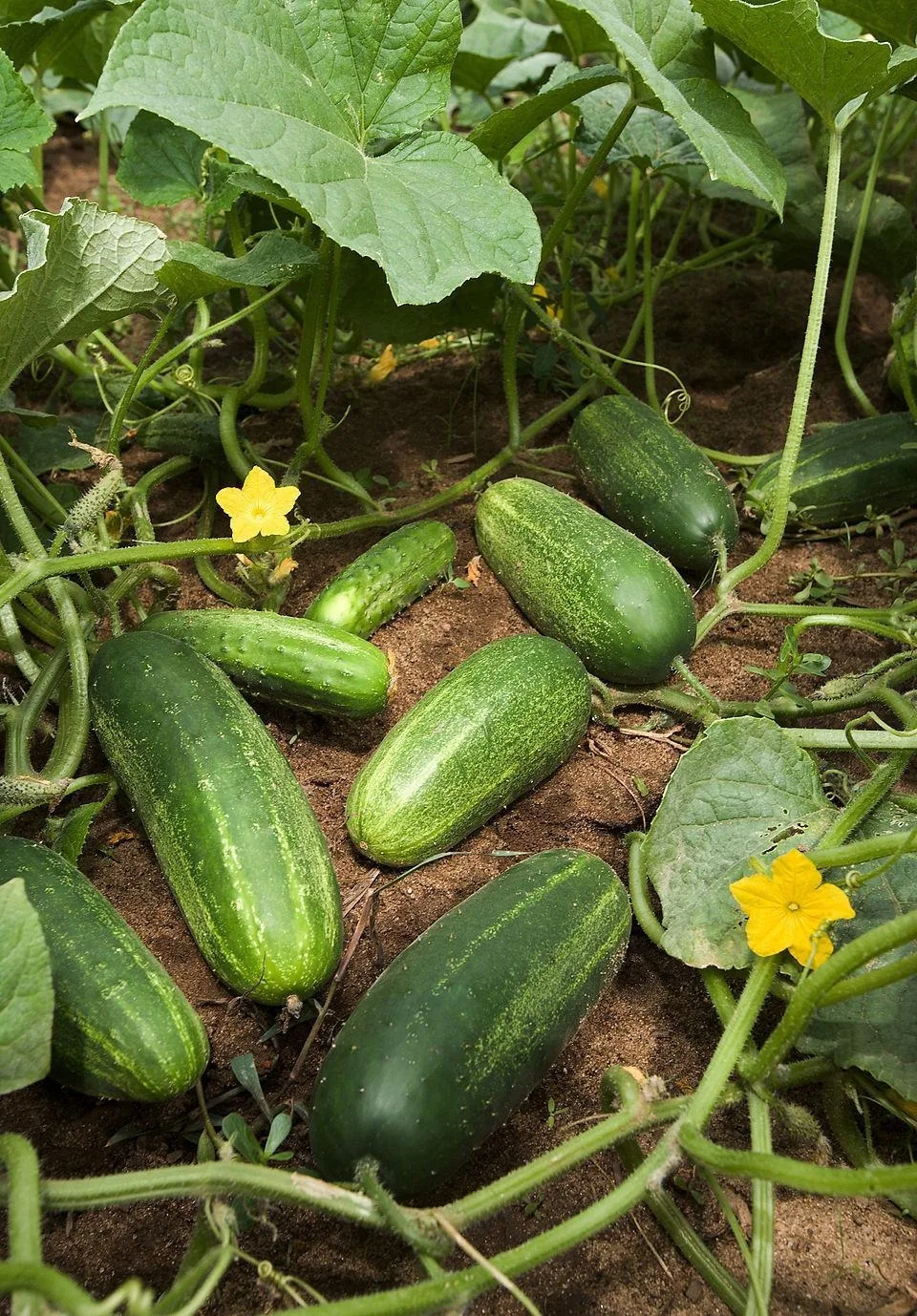
Is cucumber a fruit or a vegetable? This question sparks debate among healthcare professionals, nutritionists, and curious patients alike. As nurses, understanding the scientific classification of foods helps when educating patients about nutrition and making dietary recommendations. The answer to is cucumber a fruit or a vegetable depends on whether you approach it from a botanical or culinary perspective. While most people consider cucumbers vegetables based on their savory taste and typical use in salads, science tells a different story. This guide explores both viewpoints to clarify why is cucumber a fruit or a vegetable remains one of the most common classification questions in nutrition education.
READ ALSO: Top 6 Best Effective Essential Oils for Constipation: Tested and Reviewed
The Botanical Answer: Is Cucumber A Fruit Or A Vegetable?
From a strict scientific standpoint, cucumbers are classified as fruits because they develop from the flower of the plant and contain seeds. In botanical terms, the cucumber is classified as a pepo, a type of botanical berry with seeds and an outer rind, though in culinary contexts it is considered a vegetable. A fruit is formed from the ovary within the flower, which houses the seeds that will eventually grow into new plants, while a vegetable is a term reserved for other plant parts such as leaves, stems, or roots.
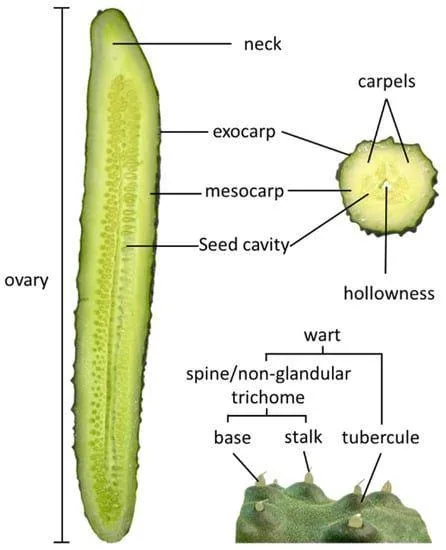
Cucumber plant anatomy. Source
Cucumbers belong to the Cucurbitaceae family of plants, which also includes squashes, pumpkins, and watermelons. Cucumbers grow from the flowering part of the cucumber plant. Once the flower is pollinated, it begins to swell and form what we know as a cucumber, with small seeds inside that can grow into more cucumber plants. This basic reproductive function is what distinguishes them as fruits rather than vegetables, according to botanical science.
Interestingly, cucumbers are not just fruits; they are specifically classified as berries within the fruit family because they grow from a single flower with only one ovum, as opposed to raspberries, which form from a single flower with multiple ovaries. This scientific classification surprises many people who never considered the relationship between cucumbers and true berries like blueberries or grapes.
The Culinary Perspective: Is Cucumber A Fruit Or A Vegetable?
When considering whether a cucumber is a fruit or a vegetable from a culinary standpoint, the answer shifts dramatically. The culinary definition is based on how foods taste and how they are used in meals rather than botanical characteristics. Vegetables typically have tougher textures, taste blander, and often require cooking in dishes like stews, soups, or stir-fries, while fruits have soft textures and tend to be either sweet or tart.
Cucumbers are crunchy, refreshing, and enjoyed raw with a mild, slightly sweet flavor. However, they are rarely used in desserts and instead appear in savory dishes like salads, pickles, and sandwiches alongside other vegetables.
Cucumbers are classified as salad vegetables using the culinary definition, because that is how most people learn about and consume them. A nutritionist, chef, or healthcare professional would use the culinary classification system when making dietary recommendations because foods from the same botanical family may not have the same nutritional compositions (1).
Why Both Classifications Matter for Nurses
Understanding cucumber as a fruit or a vegetable from both perspectives helps nurses provide more accurate patient education. The botanical classification matters for understanding plant biology and how foods grow, while the culinary classification proves more useful for nutritional counseling and meal planning.
Foods from the same botanical family can have vastly different nutritional profiles. For example, cantaloupe melons, watermelons, butternut squash, cucumbers, and pumpkins all belong to the same botanical family but offer different nutritional compositions. When educating patients about balanced diets, nurses use the culinary classification because it aligns with how people actually shop, cook, and eat.
READ ALSO: How to Prevent Weight Gain After Surgery: Cause & Management
Other botanical fruits that are culinarily considered vegetables include avocados, olives, pumpkins, tomatoes, sweet corn, courgettes, green peas, chili peppers, and aubergines. Recognizing these distinctions helps nurses communicate effectively with patients who may find the botanical classifications confusing or contradictory to their everyday experience.
Nutritional Value of Cucumbers
Regardless of whether we classify cucumbers as fruits or vegetables, their nutritional value remains impressive. Raw cucumber with peel is 95% water, 4% carbohydrates, 1% protein, and contains negligible fat. In a reference amount of 100 grams, raw cucumber provides only 16 calories and has low micronutrient content, notable only for vitamin K at 14% of the Daily Value.
Cucumbers are excellent for hydration, with their high-water content making them ideal for patients who struggle to drink enough fluids. One adult portion of cucumber is 5 centimeters, and consuming a variety of fruits and vegetables, including cucumbers, helps meet daily nutritional recommendations. The low-calorie density makes cucumbers valuable for weight management, while their fiber content supports digestive health.
Conclusion
Is cucumber a fruit or a vegetable? The scientifically accurate answer is that cucumbers are fruits, specifically berries called pepos. This is because they develop from flowers and contain seeds. However, in culinary and nutritional contexts, cucumbers function as vegetables due to their savory flavor profile and typical use in meals. As healthcare professionals, nurses benefit from understanding both classifications to provide comprehensive patient education. When counseling patients about nutrition, the culinary classification proves most practical, while the botanical classification satisfies curiosity and demonstrates the fascinating complexity of plant biology. Whether classified as fruits or vegetables, cucumbers remain a nutritious, hydrating food that deserves a place in healthy diets.













Leave a Reply